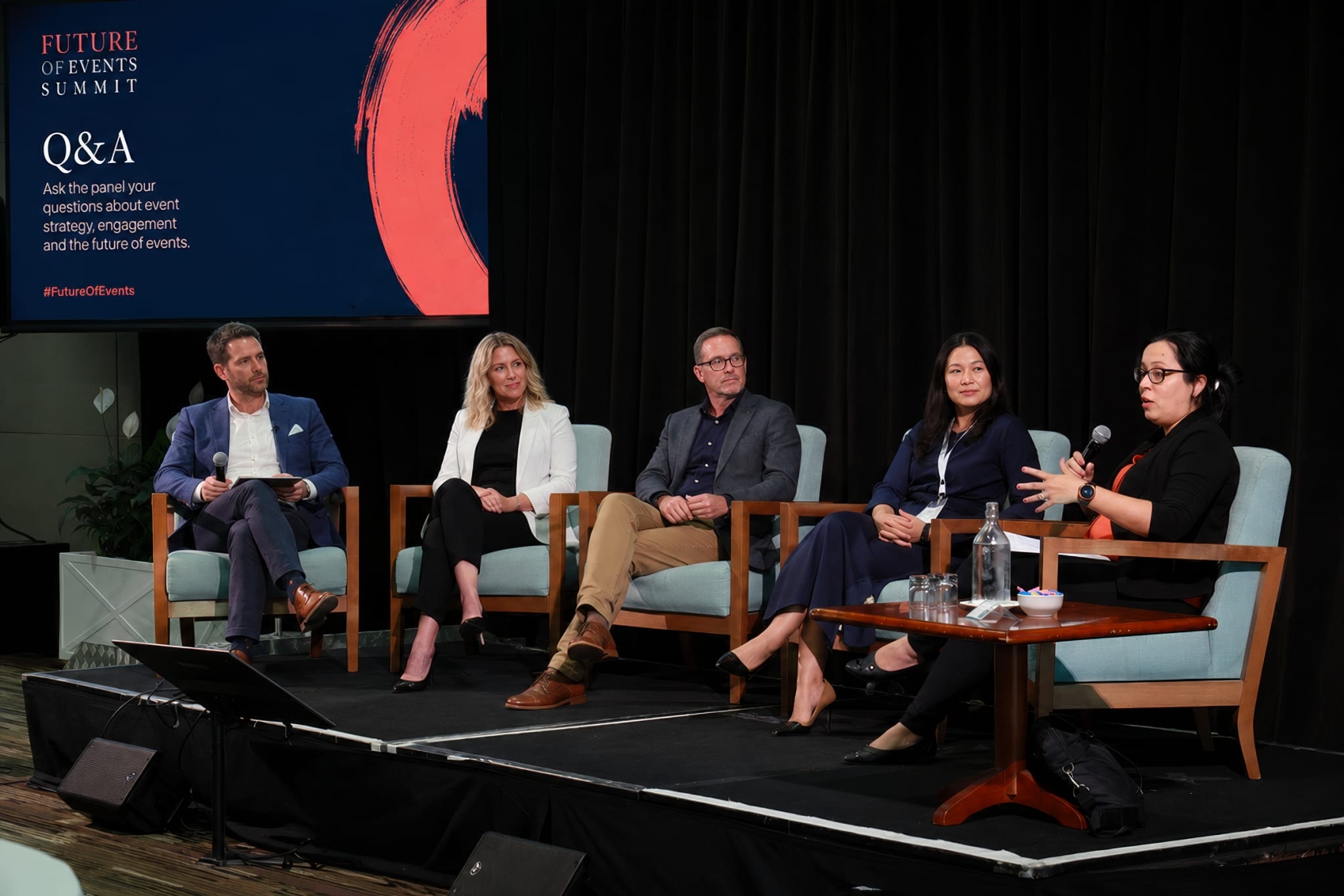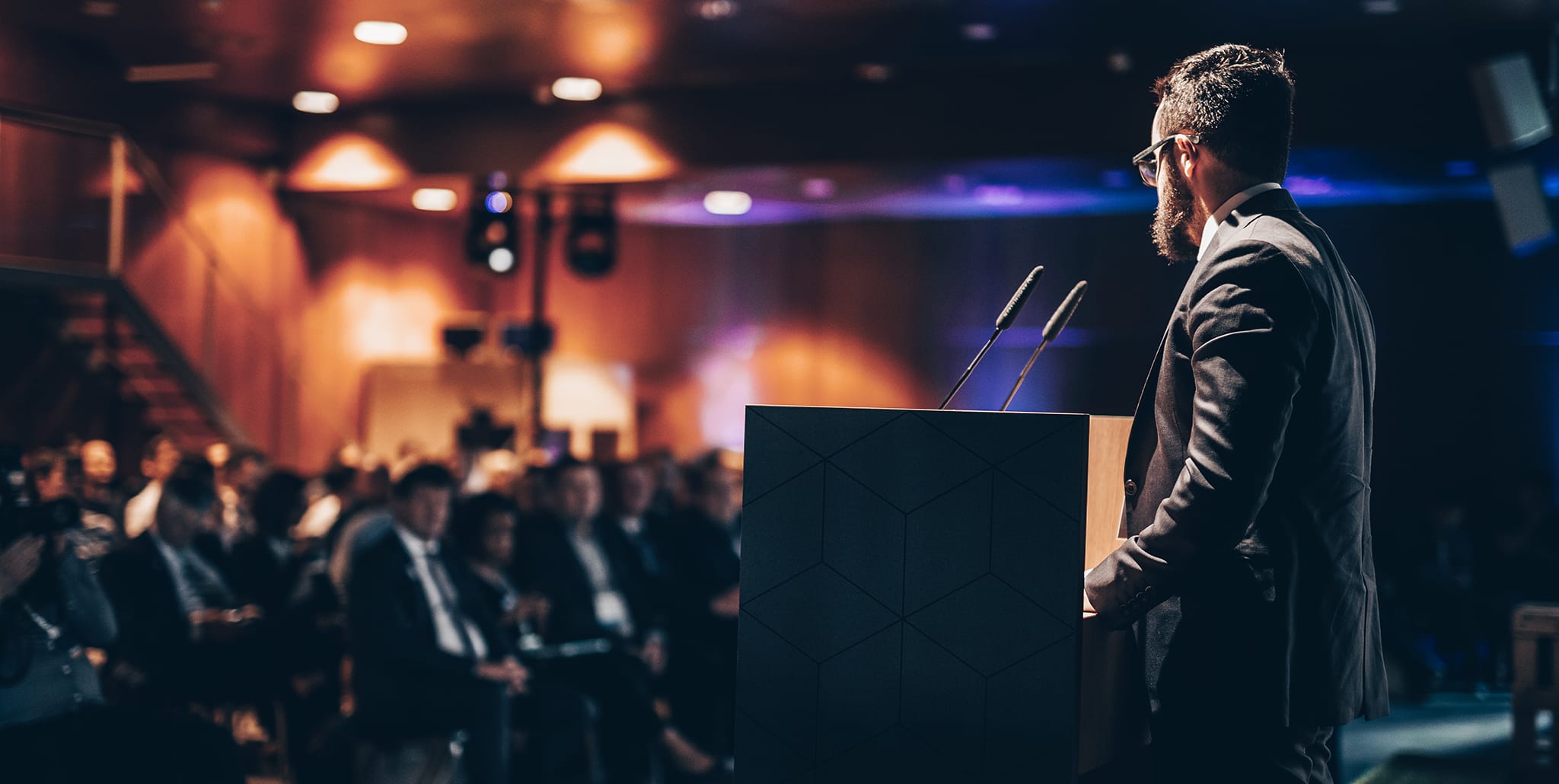
The most valuable events do not always end when the final speaker leaves the stage. For many attendees, the ideas, introductions and conversations that happen afterwards are where the real value begins to take shape.
That is why event communities are becoming a more important part of how conferences, summits and professional gatherings are designed. A strong event community gives people a reason to stay connected beyond the room, continue learning from each other and return to future events with a stronger sense of relevance and belonging.
- Key takeaways
- Events Should Not End When the Room Empties
- The Difference Between an Audience and a Community
- Why Event Communities Create Long-Term Value
- What Helps an Event Community Keep Moving
- Avoiding the Trap of Forced Community
- Building Value Between Events
- Frequently Asked Questions: event communities after the event
Events Should Not End When the Room Empties
For a long time, events were often planned around a clear start and finish. Guests arrived, the program ran, the final session closed, and the event team moved into wrap-up mode. That structure still matters operationally, but it does not always reflect how attendees experience value.
A conference or summit may spark an idea that someone wants to test with their team. A panel discussion may raise questions that continue over coffee, on LinkedIn or in a later meeting. A useful introduction may turn into a working relationship months later. These outcomes rarely fit neatly inside the event schedule.
This is why the period after an event deserves more attention. When there is no clear pathway for people to continue the conversation, momentum can fade quickly. Attendees may leave inspired, but without a reason to reconnect, follow up or stay involved, much of that energy is left to chance.
The strongest events give people more than a good day in the room. They create a reason to keep paying attention.
The Difference Between an Audience and a Community
An audience gathers for a moment. A community keeps interacting after that moment has passed.
This distinction matters because attendance does not automatically create a connection. People can sit in the same room, listen to the same speakers and leave with very different levels of involvement. Some may attend for information only. Others may be looking for shared challenges, useful introductions, professional development or a place to test new ideas with people who understand their work.
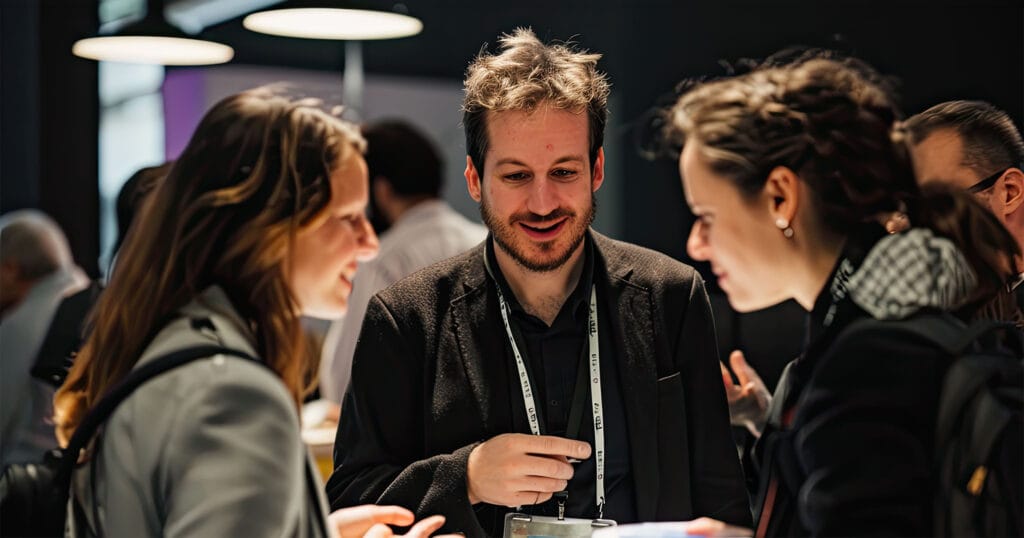
At its best, an event community gives those people somewhere to continue. It turns a single event into a longer relationship between attendees, speakers, partners and the ideas being discussed. That relationship does not need to be constant or noisy. It needs to be useful enough that people see a reason to stay involved.
This links closely to how we think about event engagement. Engagement is not only what happens during a session. It can also show up in the follow-up question, the peer introduction, the shared resource or the next conversation that happens after the event has officially ended.
Why Event Communities Create Long-Term Value
Event communities create value because they extend the life of the event beyond a single date. Instead of asking attendees to absorb everything in one day, a community gives them more time to reflect, ask better questions and apply what they have learned.
This can be especially useful for professional and industry events, where the most valuable outcomes are not always immediate. A speaker’s insight may influence a future decision. A conversation with another attendee may shape how someone approaches a project. A sponsor or partner relationship may become more relevant weeks after the event, once the attendee has had time to consider the connection.
Communities also support stronger stakeholder engagement. For organisers, sponsors, speakers and partners, the event becomes more than a moment of exposure. It becomes a platform for ongoing relevance, shared discussion and deeper trust. That kind of value is difficult to create through attendance alone.
This is also where community starts to influence brand experience. When people feel connected to the event’s ideas and the people around them, the brand is experienced through participation rather than presentation.
What Helps an Event Community Keep Moving
A community does not continue simply because an event organiser creates a group, sends a follow-up email or invites people to connect online. People stay involved when the connection has a clear reason to exist.
For event organisers, the question is not just “How do we keep talking to attendees?” It is “What would make this useful enough for people to keep participating?”
That usefulness can come from a few practical elements:
- A clear shared purpose that reflects why people gathered in the first place
- Follow-up content that helps attendees apply what they heard
- Facilitated conversations rather than leaving networking to chance
- Peer connection between people with similar roles, challenges or interests
- Post-event prompts that invite reflection, questions or next steps
- Reasons to return, such as future sessions, resources or industry updates
The strongest community engagement strategy is usually built into the event before the doors open. It is shaped by the audience, the topic and the outcome the event is trying to create. A stronger event strategy gives the community something to gather around, rather than treating follow-up as an afterthought.
When that connection is useful, people do not need to be pushed into participation. They have a reason to stay close to the conversation.
Avoiding the Trap of Forced Community
Not every audience wants to become a community, and that is worth recognising early. Some attendees want a useful event, a few strong ideas and a clear reason to return next time. They may not want another online group, another newsletter or another space asking for their attention.
A forced community often feels obvious. It usually starts with good intentions, then turns into a quiet LinkedIn group, a broad mailing list or a generic “stay connected” message that gives people no real reason to participate. The result is not community. It is another channel to manage.
A stronger approach is to build around genuine shared interest. What did people respond to during the event? Which conversations kept going during breaks? What questions came up more than once? These signals can show where a real community may exist.
It is better to build a smaller, more useful connection than a large, passive audience that rarely interacts. Community only works when it respects people’s time and gives them something worth returning to.
Building Value Between Events
The future of events is not only about what happens in the room. It is also about what the event makes possible once people leave.
For conferences, summits and professional gatherings, event communities can help ideas travel further. They give attendees more chances to connect the content to their work, build relationships with people who understand their context and stay close to conversations that still feel relevant after the program ends.
That does not mean every event needs a large community platform or a year-round content calendar. Sometimes the most useful community is smaller and more focused: a group of people with a shared challenge, a reason to keep learning and a pathway back into the next conversation.
For Future of Events Summit, this is part of a broader shift in how event value is being understood. The event itself matters, but so does the connection it leaves behind.
Frequently Asked Questions: event communities after the event
Explore event communities further at the Future of Events Summit, where event professionals, marketers and business leaders come together to examine what makes live experiences more meaningful, measurable and memorable. Book your ticket and continue the conversation.
- About the Author
- Latest Posts

Welcome to the official insights and editorial platform of the Future of Events Summit, a premium industry forum exploring the future of events, audience engagement, experience design and live brand experiences. Created by the team behind Pink Caviar Events, the platform shares industry perspectives, emerging trends, strategic conversations and practical insights for professionals working across events, marketing, communications and business experiences.