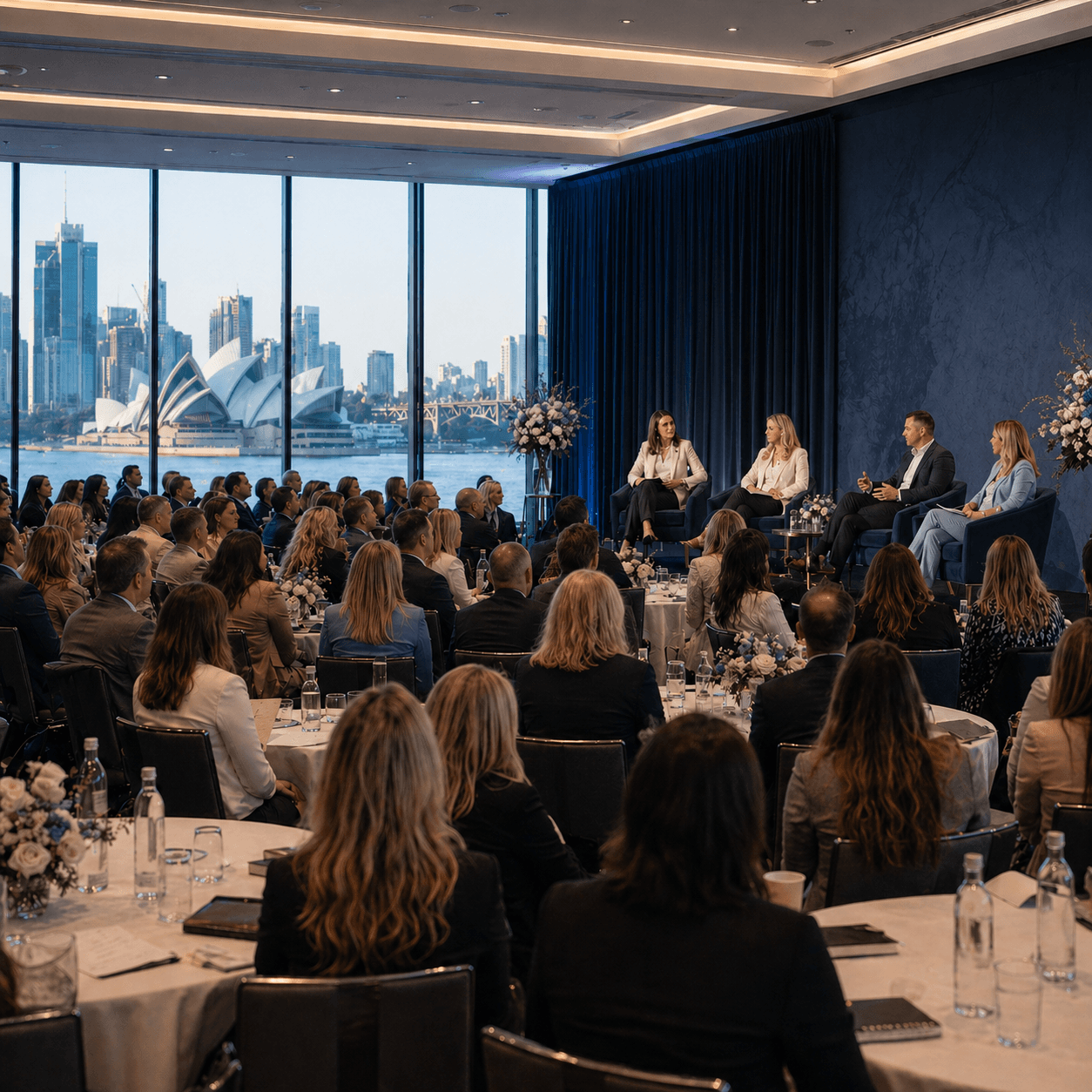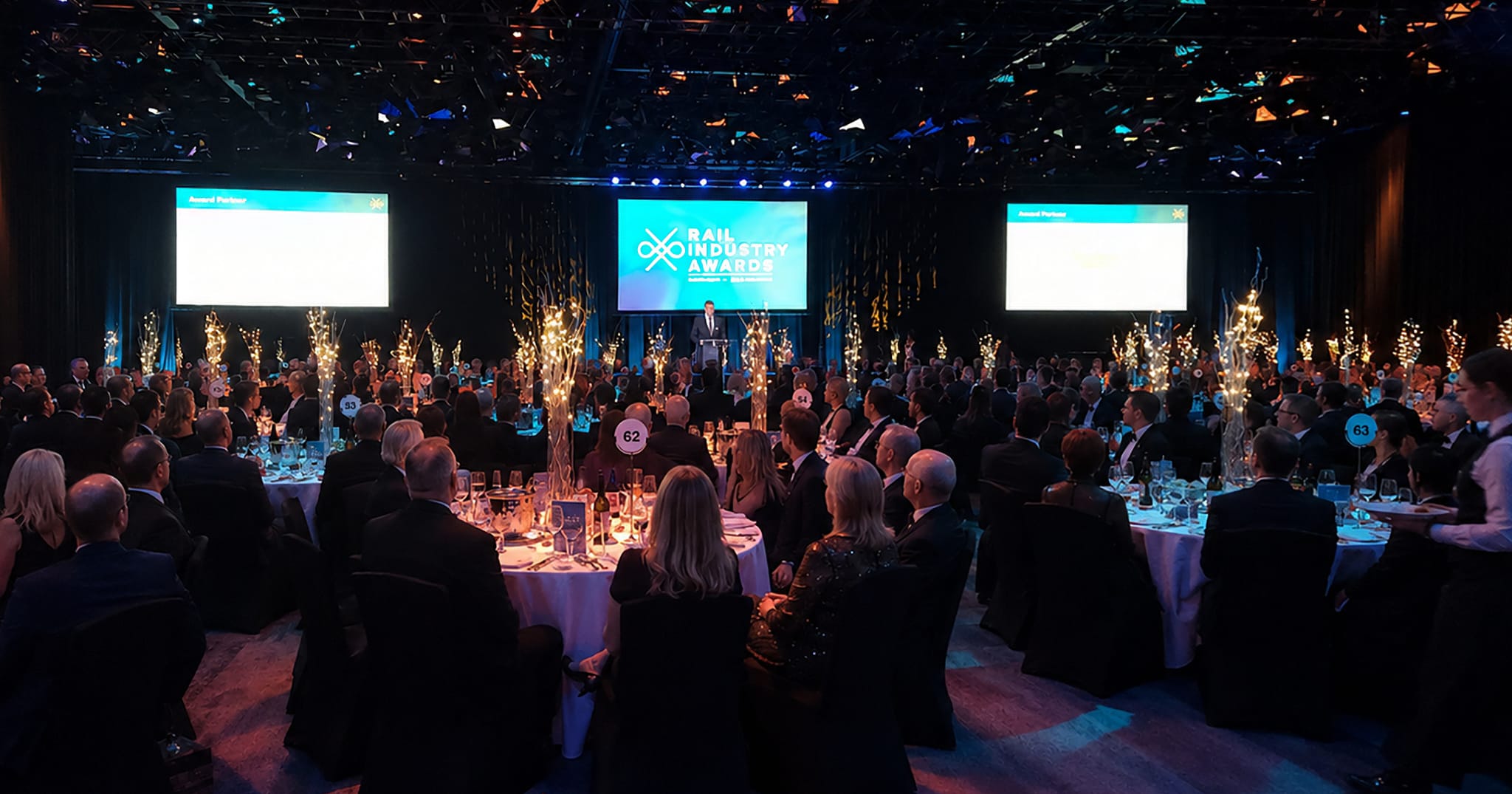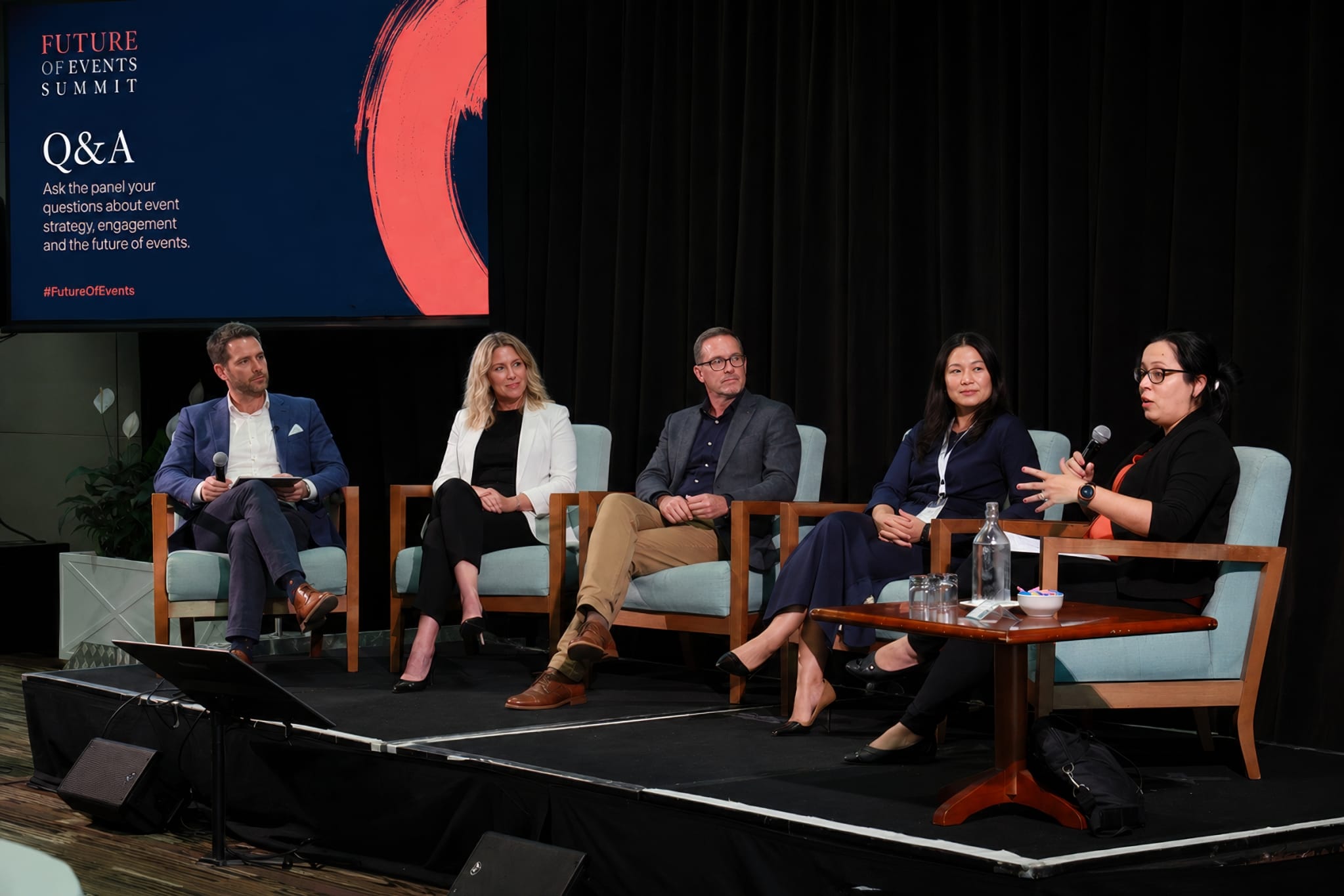
When event flow works, most people do not name it. They simply arrive with ease, find the right room, move through the program without confusion and feel that the day has been considered properly. It becomes part of the background.
When it fails, it becomes impossible to ignore. A slow arrival queue, unclear signage, a rushed break or an awkward room change can interrupt the experience before the content has a chance to land. The audience may not know whether the issue came from timing, layout, staffing or planning, but they will feel the friction.

Event Flow Is More Than Logistics
Event flow is often treated as an operational detail: where people enter, when sessions start, how long the break runs and which door opens next. Those details matter, but they are only part of the picture.
At a deeper level, flow is about how the audience understands the experience as it unfolds. It tells people where to go, what to expect, when to shift attention and how to move from one part of the event to the next. A good flow reduces unnecessary effort. People are not left wondering whether they are in the right place, whether they have missed something or whether the program is running behind.
This is why flow sits close to experience design. It shapes confidence before anyone evaluates the speaker, the room styling or the program content. If the journey feels clear, the audience can give more attention to the reason they came.
Where Poor Event Flow Starts to Show
Poor event flow usually shows itself in small moments before it becomes a larger problem. The event may still run, the speakers may still present, and the program may still finish, but the audience starts spending unnecessary energy working around the experience.
Common signs include:
- Slow arrivals: guests queue too long because entry, registration or check-in points are not matched to arrival patterns.
- Unclear signage: people hesitate, double back or ask staff basic directional questions that should have been answered visually.
- Crowded movement points: doorways, corridors, lifts or catering areas become pressure points because the space has not been planned around how people actually move.
- Rushed breaks: attendees have too little time to move, refresh, network, check messages or reset before the next session.
- Awkward room transitions: guests are moved between rooms without enough clarity, time or staff support.
- Late starts: one delayed movement point can affect the next session, the next speaker and the energy in the room.
- Disconnected handovers: speaker changes, panel transitions or MC moments feel uneven because the timing and responsibility are not clear.
These issues may look minor on a run sheet. In the room, they change how the event feels. A guest who is unsure where to go, stuck in a queue or rushed from one session to another has less attention available for the content itself.
The Attendee Journey Depends on Small Design Choices
The attendee journey is shaped by decisions that can feel small during planning: where the registration desk sits, whether signage is visible before guests need it, how much time people have between sessions and whether the room layout makes it easy to enter, leave, sit, participate or find a colleague.
These choices affect comfort and confidence. If a guest understands the space quickly, they can settle into the event. If they are unsure where to go, where to wait or what is happening next, part of their attention is spent solving the environment instead of engaging with the program. That can change the way they experience everything that follows, even if the content itself is strong.
This matters even more when accessibility, networking and participation are part of the event’s purpose. Clear wayfinding, thoughtful space planning and realistic movement time are not decorative details. They help people move through the experience with less friction and more confidence. They also support different attendee needs, from guests arriving late to people managing mobility, sensory load, unfamiliar venues or back-to-back commitments.
Good flow does not make every attendee behave the same way. It gives people enough clarity to make their own experience easier. They know where to go, how much time they have and what is expected next, which makes the event feel more considered without needing constant instruction.
Why Event Flow Needs Planning Before Event Day
Event flow cannot be properly fixed once guests are already moving through the venue. By that point, the audience is responding to the conditions in front of them: where the doors are, how the room is set, how clear the signs feel and whether staff have the information they need to guide people confidently.
This is where event logistics and live event logistics need to support the experience, not sit behind it as a separate planning layer. The run sheet may show when a session ends, but the real question is what happens in the minutes after that. Where do people go? Is there enough space for the movement? Are staff ready? Does catering align with the break? Has the next speaker been briefed? Can the audience understand the shift without being over-directed?
Planning flow early gives the team time to test the experience before guests arrive. It allows practical issues to be found while they are still easy to adjust: a registration desk in the wrong place, a bottleneck near catering, a confusing room name, or a break that is too short for the number of attendees. Once the event is live, those issues become harder to solve without creating new friction somewhere else.
Better Flow Creates a More Considered Experience
Strong event flow does not need to draw attention to itself. It shows in the absence of friction: fewer hesitations, calmer transitions, better use of breaks and an audience that can stay focused on the experience rather than the mechanics around it.
That is why flow belongs in strategic event thinking, not just the operations file. A well-paced event gives people enough clarity to participate properly, enough comfort to stay engaged and enough structure to move through the day without feeling managed at every step. The experience feels better because the planning has already done more of the work.
Frequently Asked Questions: event flow and attendee experience
Explore event flow further at the Future of Events Summit, where event professionals, marketers and business leaders will come together to examine what makes live experiences more meaningful, measurable and memorable. Book your ticket and continue the conversation.
- About the Author
- Latest Posts

Welcome to the official insights and editorial platform of the Future of Events Summit, a premium industry forum exploring the future of events, audience engagement, experience design and live brand experiences. Created by the team behind Pink Caviar Events, the platform shares industry perspectives, emerging trends, strategic conversations and practical insights for professionals working across events, marketing, communications and business experiences.