
Attendance figures are often one of the first numbers people look at when assessing whether an event was successful. They are easy to measure, easy to report, and easy to compare against previous events. If 500 people registered and 450 attended, that can feel like a positive result. If only 150 arrived, questions quickly follow.
The challenge is that attendance only tells part of the story. An event can attract a large audience yet leave little lasting impact. Equally, a smaller gathering can generate meaningful conversations, stronger professional relationships and valuable outcomes long after the event ends. As events continue to evolve, many organisers are looking beyond headcounts and asking a more important question: how engaged was the audience?
- Key takeaways
- Attendance Is Only Part of the Story
- What Event Engagement Actually Means
- Signals That Reveal Meaningful Engagement
- Why Engagement Creates Better Event Outcomes
- Measuring Engagement Without Chasing Vanity Metrics
- Looking Beyond the Headcount
- Frequently Asked Questions: measuring event engagement beyond attendance
Attendance Is Only Part of the Story
Attendance remains an important metric. It helps organisers understand demand, forecast resources, manage venues and evaluate promotional activity. The problem arises when attendance becomes the only measure of success.
Many event professionals have experienced situations where registration numbers create a misleading picture. Free public events can attract thousands of RSVPs, only for a small percentage of those people to attend on the day. In other cases, an event may be promoted to the public and attract far more attendees than expected because people arrive without registering. Both scenarios create operational challenges, from staffing and catering through to venue capacity and attendee experience.
Neither situation necessarily reflects the quality or value of the event itself. A high registration count does not guarantee audience interest, just as a lower attendance figure does not automatically indicate failure.
This is particularly true for conferences, industry events and professional gatherings where the real value often comes from conversations, learning opportunities, networking and knowledge sharing. An attendee who actively participates throughout the day may contribute more to the success of an event than dozens of passive attendees who simply occupy a seat.
As events become more experience-driven, organisers are recognising that understanding audience behaviour is often more valuable than focusing solely on attendance numbers.
What Event Engagement Actually Means
At its core, event engagement measures how actively people participate in an event rather than simply whether they attended. It reflects the level of attention, involvement and interaction that occurs before, during and after the experience.
Engagement can take many forms. It might be attendees asking questions during a keynote, contributing to discussions, participating in workshops, connecting with other delegates, sharing insights online or continuing conversations after the event has finished. These behaviours provide a richer picture of audience interest than attendance figures alone.
Strong engagement also creates a two-way experience. Instead of information being delivered to a passive audience, attendees become active participants in the event itself. This often leads to deeper learning, stronger connections and more memorable experiences.
For organisers, engagement provides valuable audience insights that attendance numbers cannot. Understanding which sessions generated discussion, which topics sparked interest and where people chose to spend their time can reveal far more about audience needs and expectations.
This is one reason why discussions around event success increasingly overlap with broader conversations about audience participation, experience design and even event impact. The most successful events are rarely remembered because of how many people attended. They are remembered because of how people participated.
Signals That Reveal Meaningful Engagement
If attendance alone does not tell the full story, what should organisers be paying attention to?
Meaningful engagement often leaves visible signals throughout the attendee journey. During an event, these may include audience questions, workshop participation, networking activity, live polling responses, session attendance patterns and discussion levels. These indicators help reveal whether people are genuinely interested in the content or simply present.
Some of the strongest signals emerge after the event has finished. Follow-up conversations, content downloads, survey responses, social sharing, community participation and ongoing professional connections can all provide valuable insight into audience behaviour. In many cases, post-event engagement reveals more about an event’s long-term value than attendance figures alone.
Not every signal needs to be measured through technology. Simple observations can be equally valuable. Are attendees staying until the end of the sessions? Are conversations continuing during breaks? Are speakers being approached after presentations? These moments often provide useful context that cannot be captured in a spreadsheet.
The goal is not to track every possible interaction. It is to identify the behaviours that align with the purpose of the event and use those signals to better understand audience needs, interests and expectations.
Why Engagement Creates Better Event Outcomes
When people are actively engaged, they are more likely to retain information, contribute to discussions and build meaningful professional connections. The experience becomes something they participate in rather than simply observe.
This matters because most events are designed to achieve outcomes beyond attendance. Organisers may be looking to educate an audience, strengthen stakeholder relationships, facilitate networking, share industry knowledge, or build a community around a particular topic. These goals are difficult to achieve when attendees remain passive throughout the experience.
Engaged audiences also tend to report higher levels of satisfaction and perceived value. They are more likely to remember key messages, recommend future events to colleagues and maintain connections formed during the event itself. This creates benefits that extend well beyond the closing session.
There is also a strategic dimension to engagement. A stronger approach to event strategy connects engagement back to the purpose of the event, rather than treating it as a separate reporting exercise. Understanding how people interact with content, speakers, and each other provides a clearer picture of whether those objectives have been achieved.
Ultimately, attendance measures reach. Engagement measures value. The two are connected, but they are not the same thing.
Measuring Engagement Without Chasing Vanity Metrics
One of the risks of modern event measurement is focusing on metrics simply because they are easy to collect. Registration numbers, social media impressions and app downloads may look impressive in a report, but they do not always reflect whether an event achieved its purpose.
A more useful approach is to start with the outcomes the event was designed to create. A leadership forum may prioritise discussion and relationship building. A conference may focus on knowledge sharing and professional development. A networking event may be measured by the quality of connections formed rather than the number of people who attended.
This is where audience insights become particularly valuable. Feedback, behavioural patterns and attendee observations often provide context that raw numbers cannot. Understanding why people engaged, where they found value and what influenced their experience can help shape stronger events in the future.
The most effective event professionals combine quantitative and qualitative measures. Data provides visibility, but human behaviour provides meaning. Looking at both creates a more balanced understanding of success and helps avoid becoming distracted by metrics that sound impressive but offer little practical insight.
Looking Beyond the Headcount
For many years, attendance has been one of the most visible measures of event success. It is unlikely to disappear, nor should it. Understanding demand and participation will always be important for organisers, venues, sponsors and stakeholders.
What is changing is the industry’s understanding of what success actually looks like. As events become more experience-focused, relationship-driven and outcome-oriented, attendance is increasingly being viewed as the starting point rather than the finish line.
The events that create lasting value are often those that generate meaningful conversations, encourage participation and leave attendees with something worth remembering long after the event has ended. Whether the goal is learning, networking, community building or professional development, engagement provides a deeper understanding of how people experienced the event and what they took away from it.
As the future of events continues to evolve, organisers who look beyond the headcount may gain the most valuable insights of all.
Frequently Asked Questions: measuring event engagement beyond attendance
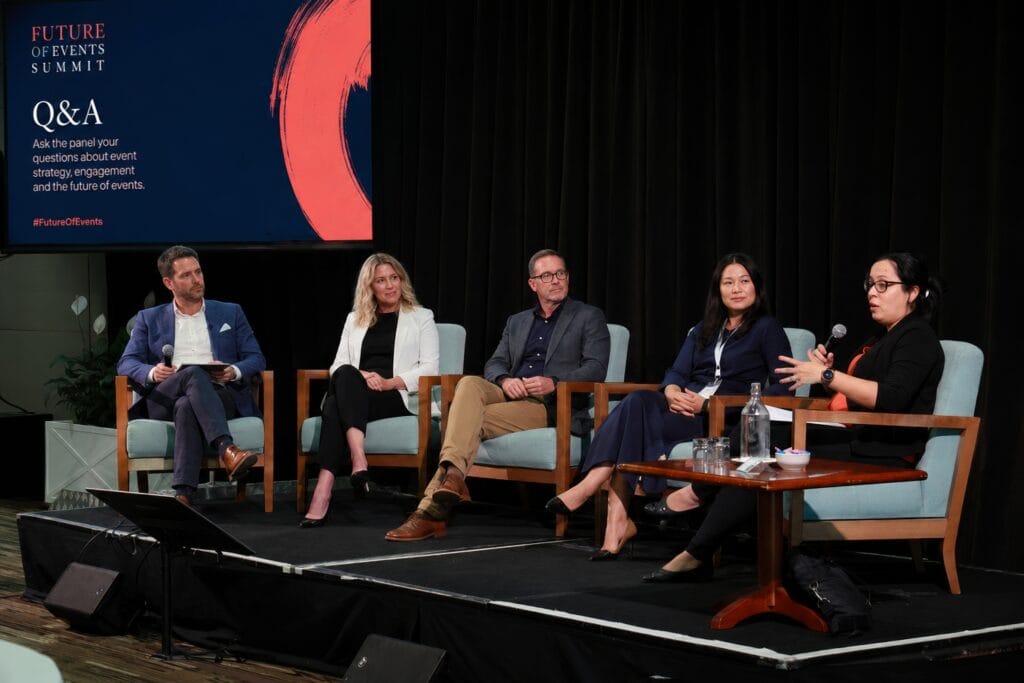
Future of Events Summit brings together event professionals, business leaders and experience-led thinkers to explore stronger ideas for event strategy, audience experience and the future of live events. Book your ticket and continue the conversation..
- About the Author
- Latest Posts

Welcome to the official insights and editorial platform of the Future of Events Summit, a premium industry forum exploring the future of events, audience engagement, experience design and live brand experiences. Created by the team behind Pink Caviar Events, the platform shares industry perspectives, emerging trends, strategic conversations and practical insights for professionals working across events, marketing, communications and business experiences.