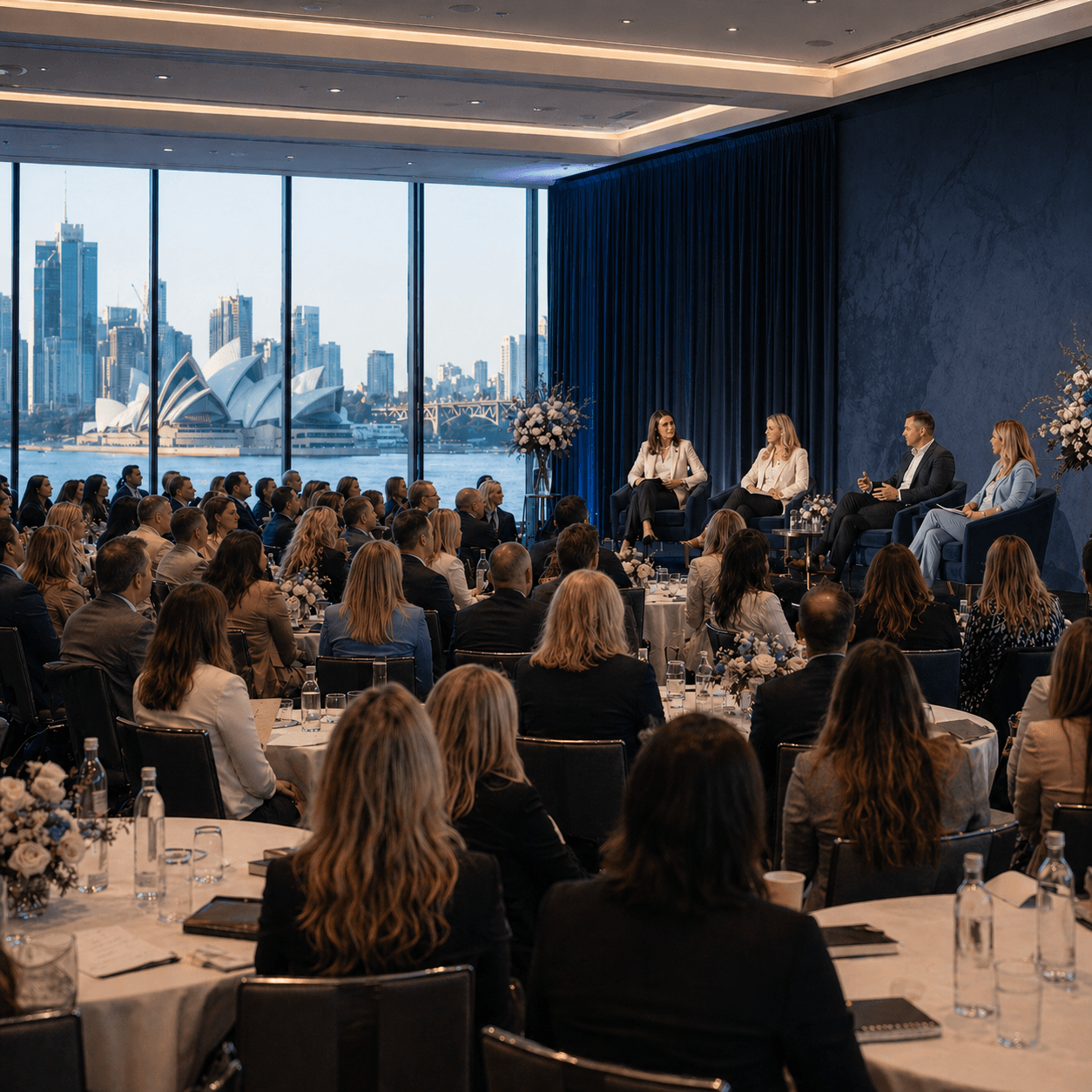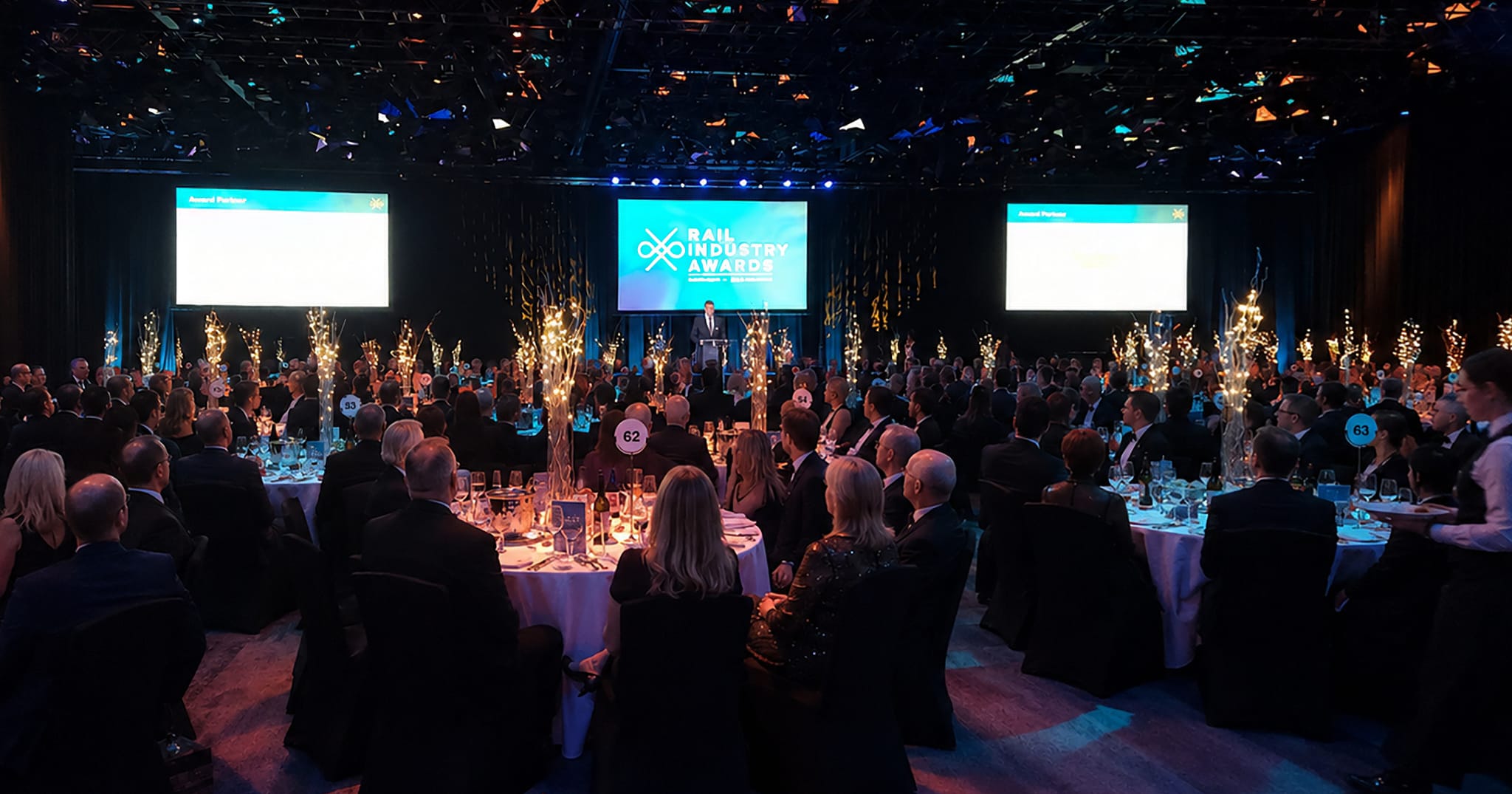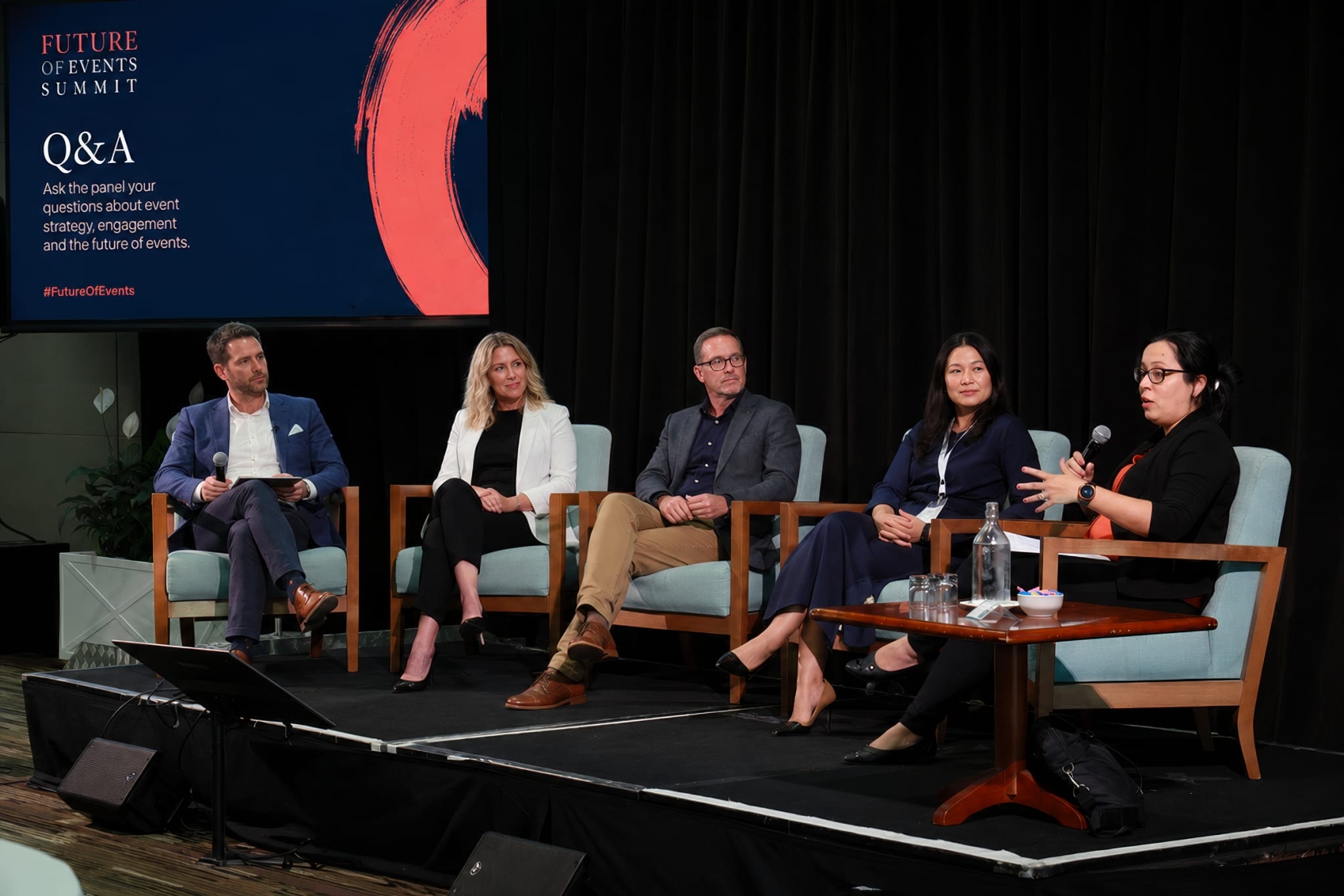
People rarely remember an event in full. They remember the moment that pulled them in, the idea that felt relevant, the conversation that shifted their thinking, or the shared reaction that made the room feel alive. The rest often becomes background detail, even when it was planned with care.
That is where event psychology becomes useful for event design. It is not about turning the experience into theory. It is about understanding attention, emotion, participation, relevance and memory, then using those signals to design moments that feel clear, purposeful and worth carrying beyond the room.
- Key takeaways
- Attention Is the First Design Decision
- Emotion Gives an Event Its Memory Hooks
- Participation Turns Observers Into Contributors
- Relevance Decides What Feels Worth Remembering
- Shared Moments Make Memory Social
- Designing for Memory Without Over-Engineering the Experience
- Frequently Asked Questions: event psychology and memorable experiences
Attention Is the First Design Decision
An event cannot be memorable if people are not mentally present for it. Attention is the doorway to memory. Before an audience can absorb a message, connect with a speaker or respond to a moment, they need enough mental space to notice what is happening.
This is where event design carries real weight. A packed agenda, unclear program flow or constant shift in format can create cognitive load before the important moments arrive. Attendees may still be in the room, but their attention is being spent on working out what is happening next, where they need to be, or how much information they are expected to hold at once.
Strong event rhythm gives people a better chance to stay with the experience. That might mean a sharper opening, cleaner transitions, fewer competing messages, better breaks or a program that knows when to create energy and when to give people breathing room. Attention is not only won through spectacle. Often, it is protected through restraint.
Emotion Gives an Event Its Memory Hooks
Attention helps people notice an experience. Emotion helps it stay there.
A memorable event does not need to be dramatic to create an emotional response. It might be the anticipation before a keynote, the pride of seeing a colleague recognised, the curiosity sparked by a new idea, or the sense of relief when a complex topic is explained clearly. These moments work because they give the audience something to feel, not just something to process.
This is one reason the shape of an event matters as much as the content. People often remember the strongest emotional point and how an experience ends, a pattern commonly discussed through the peak-end rule. For events, that does not mean manufacturing a grand finale at every turn. It means paying attention to where the emotional weight sits in the program and whether the ending gives attendees something clear to take with them.
Recognition, surprise, belonging, momentum and shared pride can all become memory hooks when they feel earned. The risk is adding emotion as decoration, where a moment looks impressive but has no real connection to the audience or the purpose of the event. The better question is simpler: what should people feel at this point, and why would that feeling matter to them?
Participation Turns Observers Into Contributors
People remember experiences differently when they have had a role in them. Passive attendance can still be useful, especially when the content is strong, but participation creates a different level of attention. It asks people to think, respond, choose, discuss or contribute, which makes the experience feel less like something they watched and more like something they were part of.
Participation does not need to mean constant interaction. In professional events, too much forced activity can feel tiring or tokenistic. The stronger approach is to design moments where involvement has a clear purpose.
That might include:
- a question that helps the room reflect on its own experience
- a discussion prompt that connects the content to real work
- a choice between sessions, formats or topics
- movement that resets energy after heavy content
- networking that gives people a reason to speak, not just a room to stand in
- audience input that genuinely shapes part of the session
The point is not to make every attendee perform. It is to give them meaningful entry points. When people contribute to a moment, even in a small way, they are more likely to connect it to their own thinking and remember why it mattered.
Relevance Decides What Feels Worth Remembering
An event can be polished, well attended and carefully produced, yet still fade quickly if attendees cannot connect it to their own world. Relevance is what turns a good session, speaker or experience into something people can use. It helps them answer the quiet question running underneath the program: what does this have to do with me?
For professional audiences, relevance often sits close to role, pressure and timing. A senior leader may remember a session because it gives language to a decision they need to defend. A marketing manager may remember a discussion because it reframes how they think about audience behaviour. A delegate may remember a networking moment because it connects them with someone facing the same challenge.
This is where event psychology becomes practical rather than theoretical. The more clearly an event understands its audience, the easier it is to design moments that feel personally useful, not just impressive from the outside. That relevance also shapes event impact, because the experience has a better chance of travelling beyond the room and into conversations, decisions and future action.
Some event memories are personal. Others become stronger because they are shared.
A room responding together can change the weight of a moment. Applause after an award, a laugh that travels across the audience, a live question that says what others were thinking, or a conversation that continues into the break can make an experience feel bigger than the individual sitting in the seat. People often remember not only what happened, but the fact that others were there to witness it with them.
This is especially important for professional events, where connection is often part of the value. A useful insight may land in the session, but it becomes more meaningful when people discuss it afterwards, compare reactions or apply it to their own organisations. Shared moments give attendees a reference point. They create language, memory and momentum that can continue after the event has finished.
Shared Moments Make Memory Social
Some event memories are personal. Others become stronger because they are shared.
A room responding together can change the weight of a moment. Applause after an award, a laugh that travels across the audience, a live question that says what others were thinking, or a conversation that continues into the break can make an experience feel bigger than the individual sitting in the seat. People often remember not only what happened, but the fact that others were there to witness it with them.
This is especially important for professional events, where connection is often part of the value. A useful insight may land in the session, but it becomes more meaningful when people discuss it afterwards, compare reactions or apply it to their own organisations. Shared moments give attendees a reference point. They create language, memory and momentum that can continue after the event has finished.
Designing for Memory Without Over-Engineering the Experience
Memorable events are not built by adding more to the program until something sticks. More content, more production, more activity and more novelty can just as easily dilute the moments that matter.
The stronger approach is to design with attention to what people can absorb, what they are likely to feel, where they can participate, and why the experience should matter to them beyond the day itself. That does not make the event less creative. It gives the creative choices a clearer job.
For event professionals, the question is not only what will happen in the room. It is what attendees will carry out of it. That is where experience design and audience engagement become part of a larger conversation about how events create meaning, memory and momentum.
Frequently Asked Questions: event psychology and memorable experiences
Explore event psychology further at the Future of Events Summit, where event professionals, marketers and business leaders will examine how attention, emotion, audience engagement and experience design shape what attendees remember. Book your ticket and join the conversation about creating live experiences that stay with people beyond the room.
- About the Author
- Latest Posts

Welcome to the official insights and editorial platform of the Future of Events Summit, a premium industry forum exploring the future of events, audience engagement, experience design and live brand experiences. Created by the team behind Pink Caviar Events, the platform shares industry perspectives, emerging trends, strategic conversations and practical insights for professionals working across events, marketing, communications and business experiences.