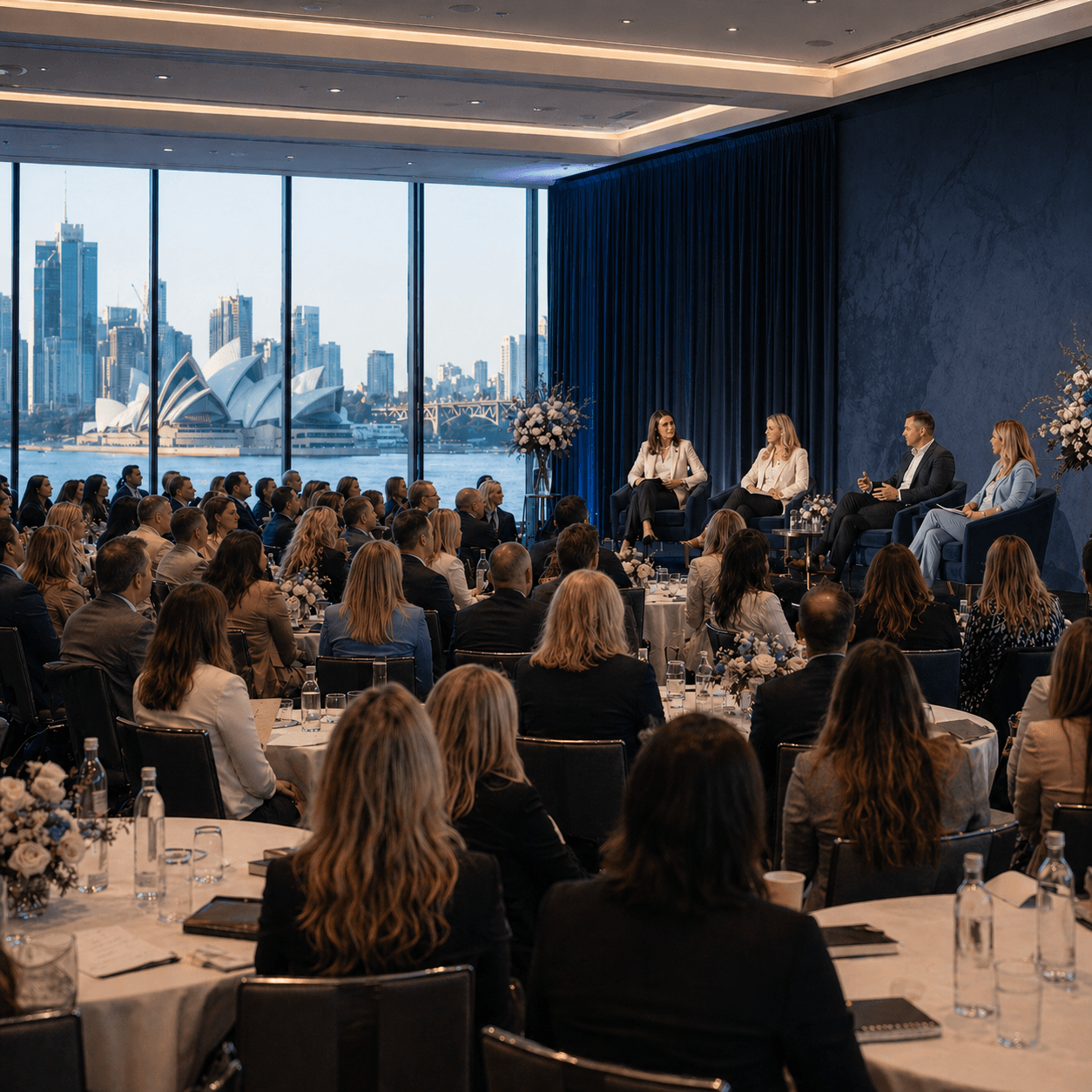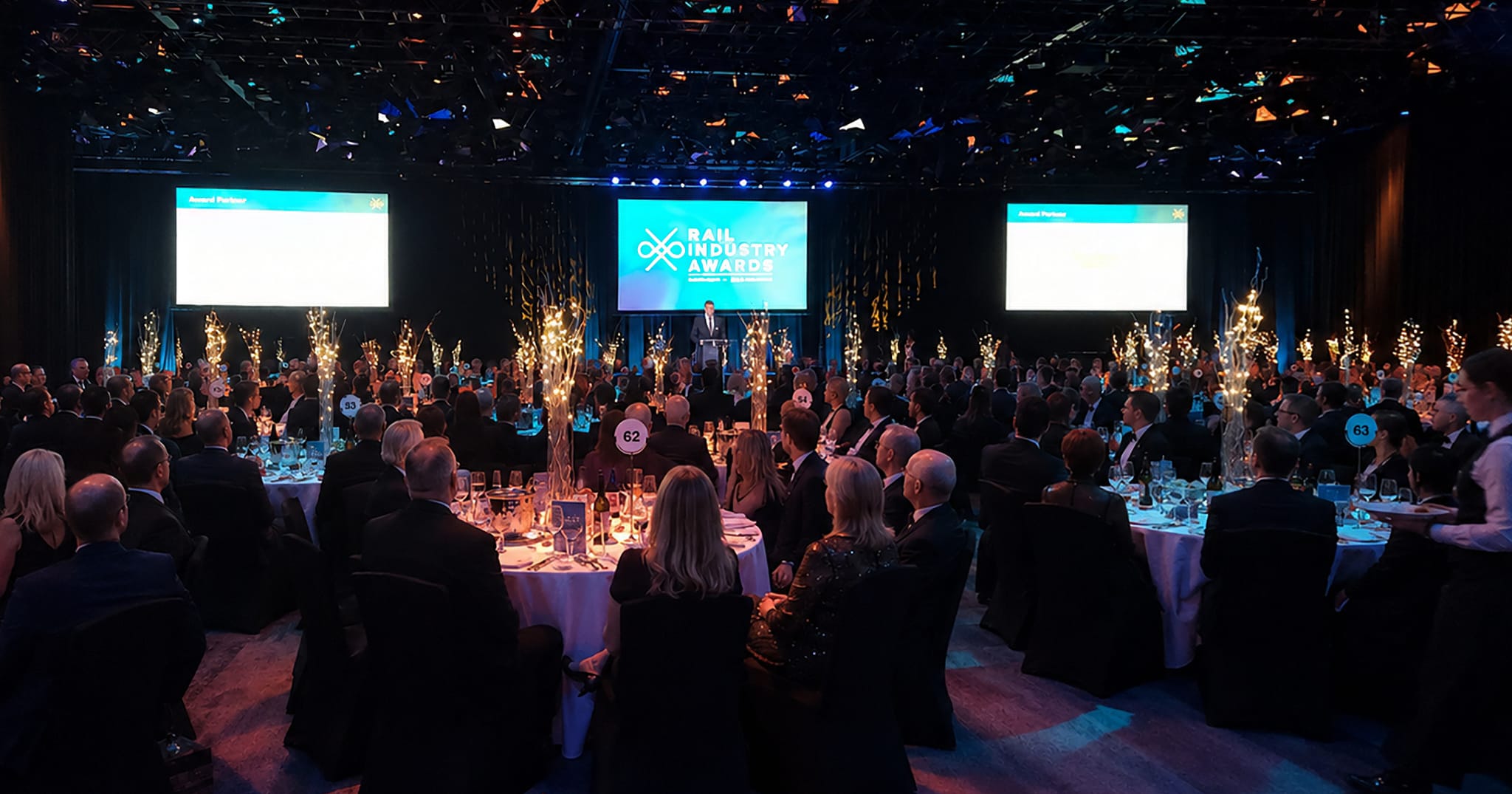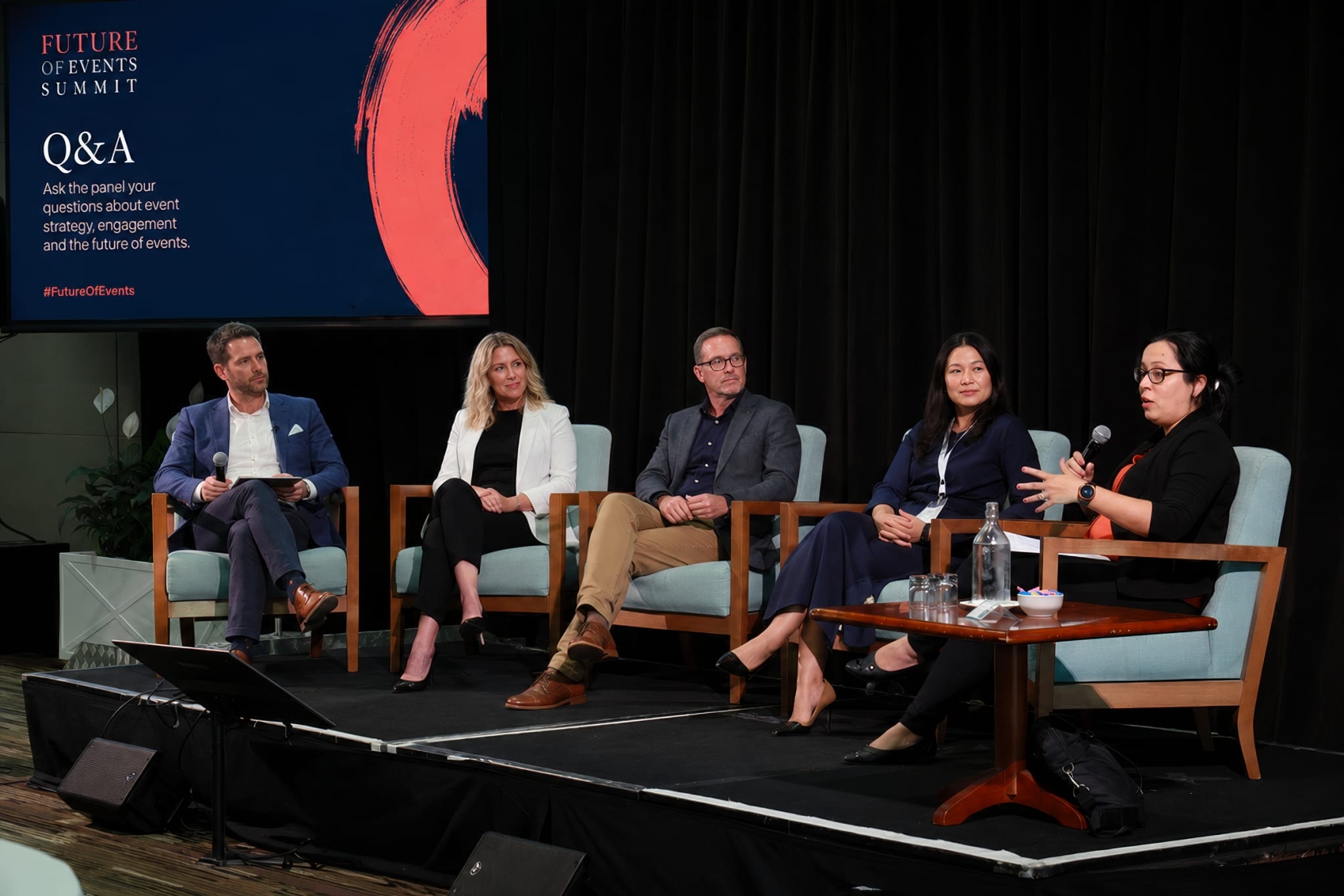
Attendees are becoming more selective about the events they commit to. A strong speaker line-up or polished venue still matters, but it is no longer enough on its own. People want to know whether an event will respect their time, match their interests and give them something they can use in their role, team or organisation.
That is why event personalisation is becoming less of a bonus feature and more of a planning standard. It is not only about apps, automation or complex data. At its best, personalisation helps attendees feel that the event has considered why they are there, what they need from the experience and how they can get the most value from the day.

- Key takeaways
- Why attendee expectations have changed
- Personalisation starts before the event
- More relevant content creates stronger engagement
- Personalisation is also about access, comfort and inclusion
- Networking and follow-up need to feel purposeful
- The new standard is relevance
- Frequently Asked Questions: event personalisation for more relevant attendee experiences
Why attendee expectations have changed
Attendees are no longer comparing an event only against other events. They are comparing it against every other demand on their time. A conference, summit or business event now has to compete with full calendars, hybrid work habits, tighter budgets and a lower tolerance for sessions that feel too broad.
This has changed how people judge value. An attendee may still appreciate a strong keynote, but they also want to know whether the event speaks to their level of experience, their sector, their current challenges and the decisions they need to make next. A generic programme can feel efficient from an organiser’s perspective, but it can feel distant from the attendee’s seat.
The shift is not about giving every person a completely different event. It is about making the experience feel considered. When attendees can see where they fit within the programme, which sessions matter to them and how the day supports their goals, the event becomes easier to commit to and more useful once they arrive.
Personalisation starts before the event
Personalisation begins long before an attendee walks into the venue. It starts when the event asks the right questions, gives people useful choices and communicates in a way that reflects what they have told you. Registration should not only capture names, job titles and dietary requirements. It can also help identify interests, session preferences, accessibility needs, networking goals and the type of support that will make the experience easier to navigate.
This does not need to become intrusive or complicated. The value comes from using the information with care. A simple question about preferred topics can shape session recommendations. A role or sector field can help guide content streams. A networking preference can inform introductions or table planning. When those details are ignored, personalisation becomes cosmetic. When they shape the attendee journey, the event starts to feel more relevant.
Practical pre-event personalisation may include:
- agenda pathways based on role, sector or experience level
- session recommendations based on stated interests
- reminder emails that highlight relevant parts of the programme
- clear options for accessibility, dietary and communication needs
- networking prompts that help attendees identify useful conversations
- pre-event resources for first-time attendees or senior decision-makers
The important point is not how much information is collected. It is whether the information improves the attendee experience. A shorter form used well is more valuable than a long form that never influences the event.
More relevant content creates stronger engagement
Content personalisation is where relevance becomes visible. Attendees may arrive with the same event badge, but they are not always looking for the same outcome. One person may want strategic direction, another may need practical tools, and another may be there to understand where the industry is heading before they make decisions for their own organisation.
This is why a strong programme should do more than fill a timetable. It should help attendees recognise which sessions are most useful for their role, interests and level of experience. Clear streams, session descriptions, recommended pathways and well-framed speaker topics all support that decision. A well-designed summit agenda gives attendees enough clarity to make deliberate choices rather than simply moving through the day by default.
At its best, event personalisation makes engagement feel natural. People are more likely to listen closely, ask better questions, join discussions and stay present when the content feels connected to their own work. The result is not only higher participation in the room. It is a stronger sense that the event was worth the time, travel and attention required to be there.
Personalisation is also about access, comfort and inclusion
Personalisation is often discussed through content and networking, but it also affects how comfortable and confident an attendee feels across the whole event. A person who needs accessible seating, quieter arrival instructions, a dietary note handled discreetly or clearer guidance before a session is not asking for special treatment. They are asking for the event to be easier to participate in.
This matters because relevance is not only intellectual. It is practical. An attendee may be interested in the topic, but still struggle to engage if the format, pace, room setup or communication style does not support them. Good event design considers those details early, rather than treating them as late-stage adjustments.
Personalisation can support inclusion through:
- accessibility options that are easy to request and properly actioned
- dietary and cultural requirements handled with care
- clear information about venue access, timing and session formats
- different ways to participate in discussions or questions
- quiet spaces or pacing considerations where appropriate
- communication that gives attendees enough detail to plan their day
When these details are managed well, they reduce friction. Attendees do not have to spend the day working around the event. They can focus on the reason they came.
Networking and follow-up need to feel purposeful
Networking is one of the clearest places where generic event design can fall short. Many attendees want to meet the right people, but they do not always want to walk into a room and hope the right conversation happens by chance. For some, networking means finding peers with similar challenges. For others, it means meeting potential partners, learning from senior leaders or joining smaller conversations where they can speak more openly.
Personalisation can make networking feel less random. This might include suggested discussion groups, hosted introductions, sector-based tables, themed networking prompts or session formats that help people connect around shared interests. The aim is not to over-engineer every interaction. It is to give attendees a better chance of finding conversations that match why they came.
Follow-up matters for the same reason. A generic thank-you email can close the event politely, but tailored post-event content can extend its value. Session resources, speaker takeaways, relevant next steps, feedback questions and future content recommendations can all help attendees continue the conversation in a way that feels useful rather than automated.
The new standard is relevance
The future of event design is not about making every attendee journey complicated. It is about making the event feel more relevant from the first invitation through to the final follow-up. Personalisation works best when it helps people understand where they fit, what they can gain and how the experience connects to their own priorities.
For organisers, this means thinking beyond the programme as a single fixed pathway. The stronger question is: what does each attendee need in order to feel that this event was worth their time? When that question shapes content, communication, access, networking and follow-up, personalisation becomes less of a trend and more of a professional standard.
Frequently Asked Questions: event personalisation for more relevant attendee experiences
Explore event personalisation further at the Future of Events Summit, where event professionals, marketers and business leaders will come together to examine what makes live experiences more meaningful, measurable and memorable. Book your ticket and continue the conversation.
- About the Author
- Latest Posts

Welcome to the official insights and editorial platform of the Future of Events Summit, a premium industry forum exploring the future of events, audience engagement, experience design and live brand experiences. Created by the team behind Pink Caviar Events, the platform shares industry perspectives, emerging trends, strategic conversations and practical insights for professionals working across events, marketing, communications and business experiences.