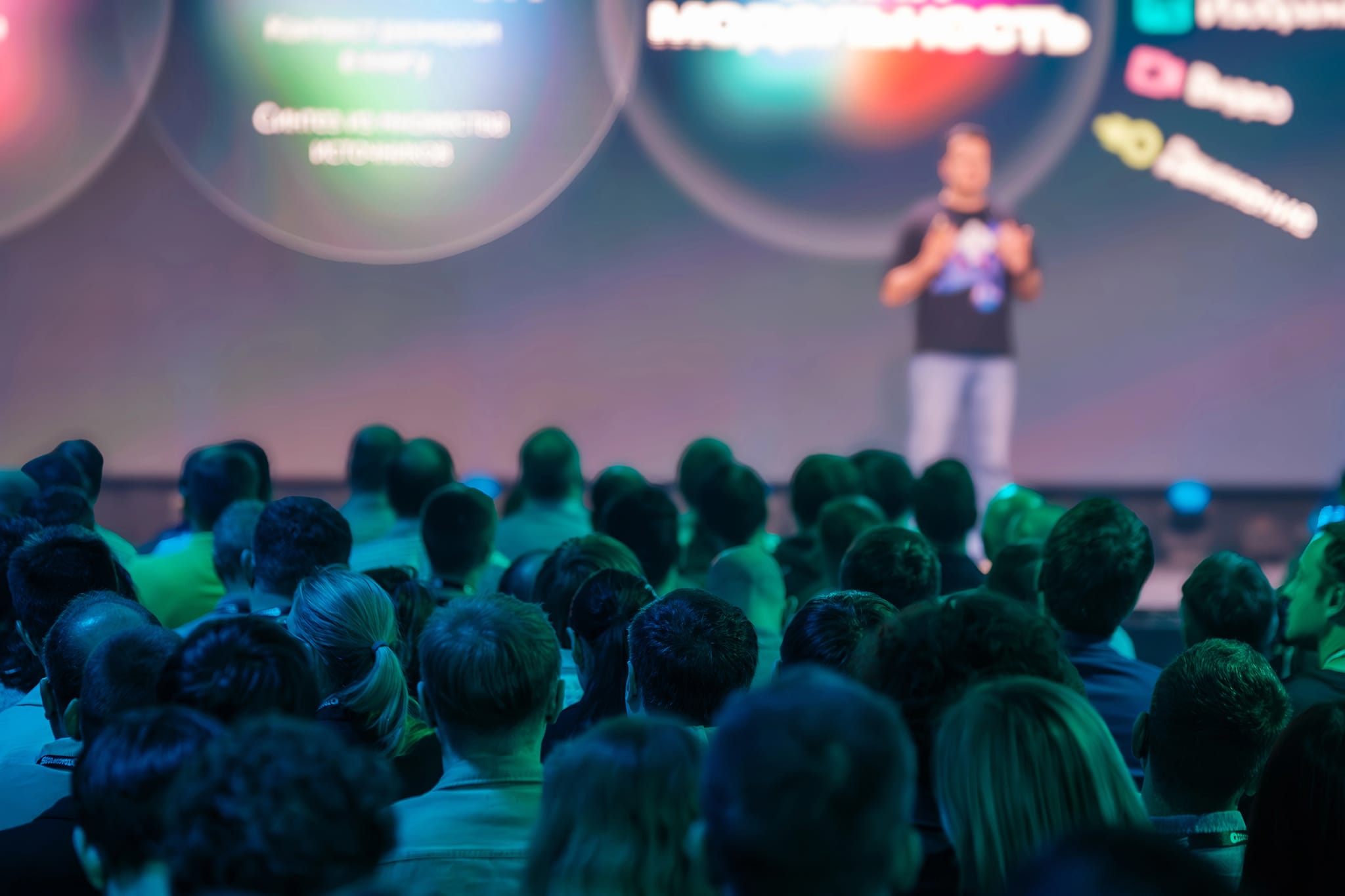
Events are no longer judged only by how smoothly they run on the day. They are judged by how well they connect with audiences, support business goals, strengthen brand trust and create value that lasts beyond the final session, conversation or shared moment.
The future of events is being shaped by clearer event strategy, stronger audience understanding and more intentional experience design. As expectations rise, organisations need to think beyond logistics and create live experiences that feel meaningful, measurable and aligned with what their audiences and stakeholders genuinely need.

- Key takeaways
- Events Are No Longer Just Moments in the Calendar
- Why Event Strategy Matters More Than Ever
- From Logistics to Purpose-Led Experience Design
- The Role of Audience Engagement in Modern Events
- Measuring the Impact of Events Differently
- Where Technology Fits Into Event Strategy
- Building Events That Create Connection, Culture and Trust
- Looking Ahead: Strategy as the Future of Events
- Frequently Asked Questions: event strategy and the future of events
Events Are No Longer Just Moments in the Calendar
For a long time, events were often treated as fixed points in the calendar. A conference, launch, internal gathering or client experience would be planned, delivered and then quickly replaced by the next priority.
That approach no longer reflects what events are being asked to do.
Modern events are expected to sit within a larger strategic picture. They need to support communication, culture, brand perception, audience relationships and business priorities. They are not just occasions to bring people together. They are opportunities to shape what people understand, remember and choose to do next.
This changes the way events need to be planned. The conversation cannot begin with the venue, the format or the run sheet alone. It needs to begin with a purpose. Who is this event for? Why does it matter? What should it change, strengthen or make clearer?
When events are treated as isolated moments, their value is limited. When they are designed as part of a broader strategy, they can create momentum before the event begins and continue delivering value long after it ends.
Why Event Strategy Matters More Than Ever
As expectations rise, event decisions need to be made with more clarity. Audiences want experiences that feel relevant to their time, interests and needs. Stakeholders want confidence that the event will support the organisation’s goals. Teams need a clear direction that helps them make consistent choices across content, design, promotion, technology and delivery.
This is where event strategy becomes essential. It gives the event a stronger foundation before planning becomes reactive. Instead of making decisions around what is available, familiar or visually impressive, teams can make decisions based on purpose, audience value and the outcome the event is meant to support.
A strategic approach also helps organisations avoid doing more for the sake of doing more. Not every event needs the same format, technology, entertainment, content style or engagement method. The right decisions depend on what the event is trying to achieve and who it needs to reach.
When strategy leads the process, creativity becomes more focused. Delivery becomes more aligned. Measurement becomes more meaningful. The event has a clearer reason to exist, and every part of the experience has a stronger role to play.
From Logistics to Purpose-Led Experience Design
Logistics will always matter. An event still needs clear timings, reliable suppliers, smooth registration, strong production and a team that can manage the details under pressure.
The difference is that logistics now need to serve a deeper purpose. A perfectly executed event can still miss the mark if the audience does not feel connected to the message, the content feels disconnected from their needs, or the experience does not support the reason the event exists.
Purpose-led experience design starts by asking what the event needs to make possible. It may need to help a leadership team communicate change, give members a stronger sense of belonging, create trust with clients or help a brand become more memorable in a crowded market.
From there, every decision becomes more intentional. The format, agenda, environment, speaker flow, networking moments, digital touchpoints and follow-up all work together to support the experience.
This is where event planning becomes more than coordination. It becomes the design of attention, emotion, understanding and action. The future of events will reward teams that can connect these elements with clarity, not just deliver them efficiently.
The Role of Audience Engagement in Modern Events
Audience engagement is no longer a nice extra. It is one of the clearest signs that an event has been designed with its people in mind.
That does not mean every event needs constant interaction or a highly produced participation format. Engagement can be thoughtful, quiet, active, social, reflective or practical. What matters is that the audience is not treated as a passive group sitting through a program, but as people with their own expectations, pressures and reasons for being in the room.
For some events, engagement might come through better networking opportunities. For others, it might come through content that feels sharply relevant, spaces that encourage conversation, or moments that allow people to contribute rather than consume.
Modern audiences are quick to sense when an experience has been designed for them and when it has been designed around internal assumptions. Stronger engagement begins with understanding what the audience values, what they already know, what they need from the experience and what would make the event feel worth their time.
The future of events will place greater emphasis on attention, relevance and emotional connection. Attendance may fill the room, but engagement is what gives the event its value.
Measuring the Impact of Events Differently
The way event success is measured also needs to evolve. Attendance numbers, registration targets and positive feedback are useful, but they do not always show whether an event achieved what it was designed to do.
A full room can still leave little lasting impact if the audience was not engaged, the message was unclear,r or the experience did not lead to any meaningful follow-up. In the same way, a smaller event can be highly successful if it creates trust, drives action, strengthens relationships or gives stakeholders the confidence they need to move forward.
Modern event measurement needs to consider the quality of the outcome, not only the scale of attendance. This may include:
- Audience engagement during the event
- Stakeholder confidence before and after delivery
- Post-event conversations and actions
- Content performance and digital reach
- Sponsor, partner or leadership feedback
- Relationship growth and community connection
- Commercial, cultural or communication outcomes
This is where strategy and measurement need to be connected from the beginning. If success is only defined after the event, it becomes harder to prove value. If success is defined during the planning stage, the event can be designed around the outcomes that matter most.
Where Technology Fits Into Event Strategy
Technology is becoming a larger part of how events are planned, promoted, delivered and measured. From registration platforms and digital content to AI, automation, event apps and immersive tools, there are more options available to event teams than ever before.
The challenge is not simply choosing more technology. It is choosing the right technology for the right reason.
A digital tool can help simplify communication, improve the audience journey, support content capture or make reporting more useful. AI can help with research, ideation, planning workflows and content development. Event apps can improve access to information and support engagement. Data can help teams understand what worked and where attention was strongest.
But technology should not become the strategy itself. It should support the event’s purpose, not distract from it. A tool only adds value when it makes the experience clearer, more engaging, more efficient or more measurable.
The strongest event strategies will use technology with intention. Not because it is new, but because it helps people connect, understand, participate or act with greater confidence.
Building Events That Create Connection, Culture and Trust
The most effective events create more than attention. They created a connection. They give people a reason to gather around a shared idea, message, purpose or moment that would be harder to achieve through a screen or document alone.
This is especially important for organisations using events to strengthen culture, communicate change or build trust with clients, members, partners or internal teams. In these settings, the event is not just a delivery format. It becomes a visible expression of what the organisation values and how it wants people to feel.
Trust is shaped through many small signals. The clarity of the message, the quality of the welcome, the relevance of the content, the flow of the room, the confidence of the delivery and the way people are invited to participate all influence how the experience is remembered.
Culture is shaped similarly. Events can help people feel included, aligned and connected to something larger than their individual role or department. They can make a brand, leadership message, or organisational priority feel more human.
That is why strategic events need to consider both the business objective and the emotional experience. People may attend for the agenda, but they remember how the experience made them feel, what it helped them understand and whether it felt worth their time.
Looking Ahead: Strategy as the Future of Events
The future of events will not be shaped by trends alone. Trends can offer useful signals, but they do not replace the need for clear thinking, audience understanding and purposeful decision-making.
A strong strategy gives events a reason to exist beyond the date in the calendar. It helps teams understand what they are trying to achieve, who they are designing for and how each part of the experience should support the intended outcome.
It also gives organisations a better way to respond to change. As expectations continue to rise, event teams will need to make thoughtful choices about technology, content, sustainability, engagement, measurement and delivery. Without a strategy, those decisions can become reactive or disconnected. With strategy, they become part of a more coherent experience.
The future of events is not simply about bigger ideas, newer tools or more polished production. It is about creating live experiences that connect with people, support business priorities and deliver value that can be understood beyond the event itself.
Frequently Asked Questions: event strategy and the future of events
A stronger event strategy is becoming essential as audiences expect more relevant experiences and organisations look for clearer value from the events they deliver. The Future of Events Summit brings together professionals across events, marketing, brand, leadership and business to explore how live experiences can be planned with greater purpose, stronger audience connection and more meaningful impact. Book your ticket and continue the conversation.
.
- About the Author
- Latest Posts

Welcome to the official insights and editorial platform of the Future of Events Summit, a premium industry forum exploring the future of events, audience engagement, experience design and live brand experiences. Created by the team behind Pink Caviar Events, the platform shares industry perspectives, emerging trends, strategic conversations and practical insights for professionals working across events, marketing, communications and business experiences.