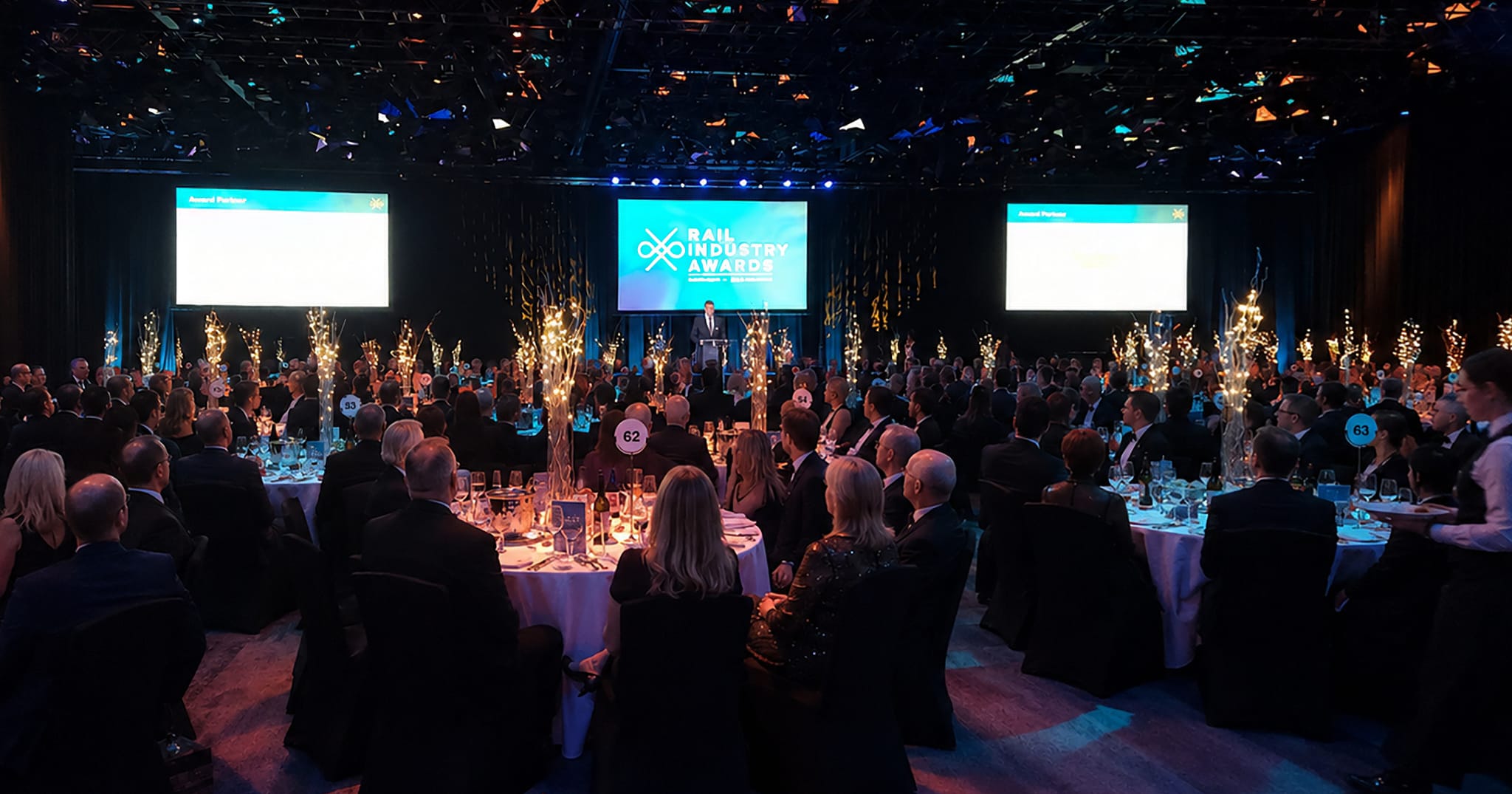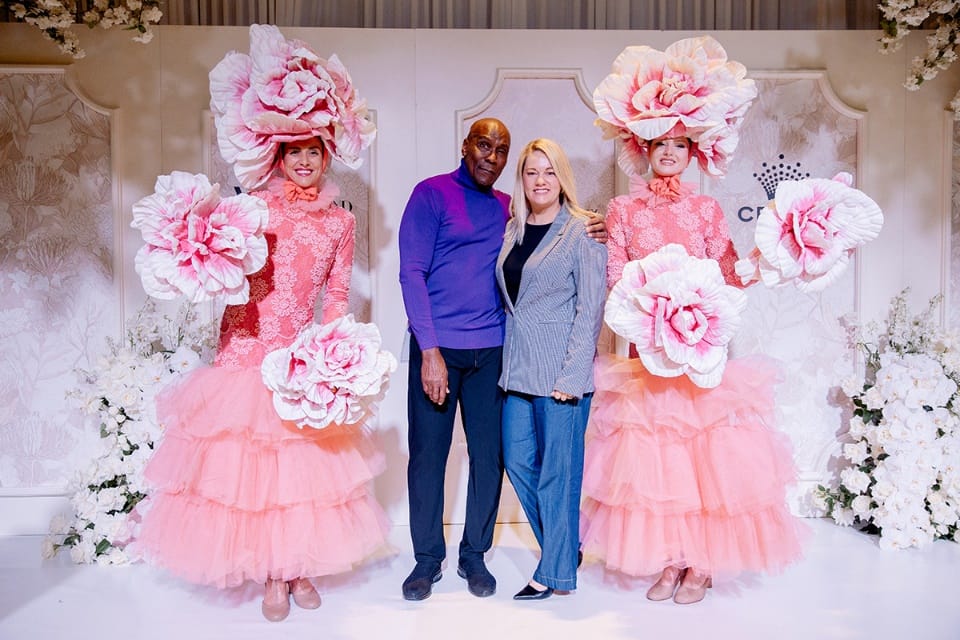
Modern events are carrying more weight than ever. They are expected to engage selective audiences, reflect brand values, support business priorities, strengthen trust and create experiences that people remember after they leave the room.
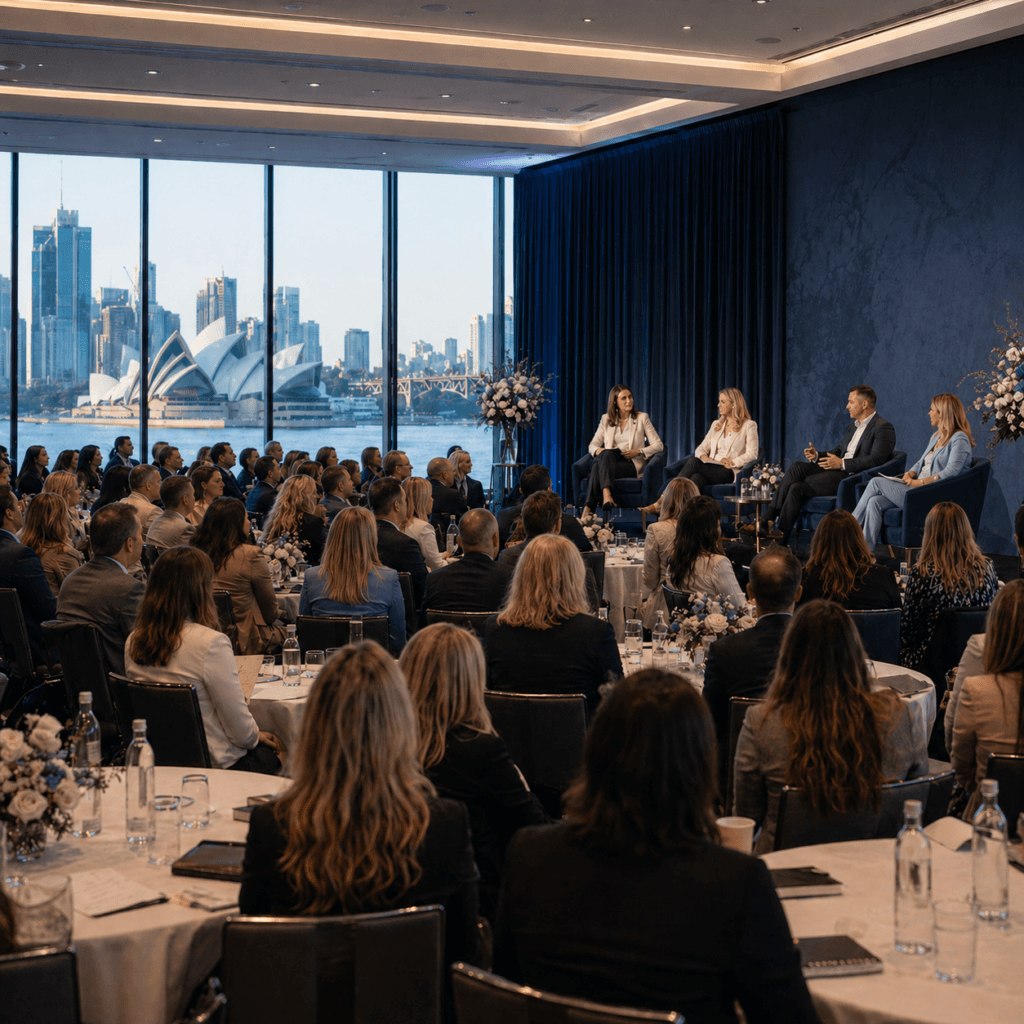
The Future of Events Summit was created for event, marketing, brand and business professionals who want to think more strategically about what events need to become. It is a space to step outside day-to-day delivery, explore practical ideas, connect with peers and consider how live experiences can create stronger, more meaningful impact.
- Key takeaways
- Events Are Changing, and So Are Expectations
- Why the Future of Events Needs a More Strategic Conversation
- Designing Experiences That Create Lasting Value
- Event Delivery to Business Impact
- A Summit for the People Shaping What Comes Next
- What Makes the Future of Events Summit Different
- Why This Conversation Matters Now
- Looking Ahead: Events That Matter
- Frequently Asked Questions: the Future of Events Summit and future event strategy
Events Are Changing, and So Are Expectations
The role of events has shifted. A well-run agenda, a polished venue and smooth registration still matter, but they are no longer enough on their own. Audiences are more selective with their time, more aware of how they want to engage and more likely to expect value before, during and after an event.
For businesses, events are also carrying greater strategic responsibility. They are used to communicate direction, strengthen culture, build communities, launch ideas, deepen relationships and show people what a brand stands for more tangibly. That means the experience cannot sit separately from the organisation’s broader purpose.
This change places new pressure on the people who plan, approve and deliver events. They are not only managing logistics. They are balancing audience expectations, stakeholder confidence, budget realities, technology decisions, brand perception and the need to create something that feels worth remembering.
The future of events is not about chasing every new trend. It is about understanding what people now expect from live experiences and designing with greater intention from the start.
Why the Future of Events Needs a More Strategic Conversation
Events have always involved planning, timing and delivery, but the conversation around them has to become bigger than logistics. The most effective events are now judged by how well they support business objectives, how clearly they communicate a message and how strongly they connect with the people in the room.
That shift is why the Future of Events Summit was created. It gives event, marketing, brand and business professionals space to step back from the immediate pressure of delivery and consider what their events are really being asked to achieve.
Founded by Stephanie Cassimatis, founder of Pink Caviar Events, the Summit grew from a clear industry need. After seeing clients ask for events with more meaning, stronger experiences and greater audience impact, Stephanie saw an opportunity to create something different: not a trade show, not an expo and not a sales room, but a focused environment for practical ideas, honest discussion and future-facing thinking.
That matters because event professionals are often expected to innovate while still managing timelines, budgets, approvals, suppliers and stakeholder expectations. A more strategic conversation gives them the chance to look beyond the next run sheet and ask sharper questions about audience behaviour, brand experience, technology, creativity and long-term value.
Designing Experiences That Create Lasting Value
Memorable events do not happen by accident. They are designed with a clear understanding of who is in the room, what they need to feel, what they need to understand and what should stay with them after the event ends.
That kind of experience design goes beyond styling or production. It considers the full journey: how people first hear about the event, why they decide to attend, how they are welcomed, how content is delivered, how conversations are encouraged and what happens once they return to their everyday work.
For event, marketing and brand teams, this is where the future becomes more intentional. The question is not only, “How do we make this event impressive?” It is also, “How do we make this event useful, relevant and meaningful for the people it was created for?”
When an event is designed well, the audience does more than attend. They participate, connect, reflect and remember. They understand the message more clearly. They feel the brand more strongly. They leave with something they can carry into their next decision, conversation or action.
Event Delivery to Business Impact
Events are increasingly being used as business tools. They are a way for organisations to make ideas visible, bring people together around a shared message and create moments that influence how audiences think, feel and respond.
That does not make delivery less important. In many ways, it makes delivery more important because the operational details have to support a larger purpose. Timing, content, environment, service, technology and communication all shape whether the event feels coherent or disconnected.
Modern events may be expected to support:
- Stronger brand trust
- Deeper audience engagement
- Clearer stakeholder communication
- Internal culture and connection
- Commercial or strategic outcomes
- Community building and long-term advocacy
- Measurable value beyond attendance
This is why event strategy needs to sit closer to business strategy. When events are planned only as isolated moments, their impact is limited. When they are designed as part of a broader communication, brand or engagement journey, they become more powerful.
The most effective events do not simply happen on a date in the calendar. They help organisations say something clearly, bring the right people into the conversation and create momentum that continues after the room has emptied.
A Summit for the People Shaping What Comes Next
The Future of Events Summit is designed for the people who influence how events are imagined, approved, promoted and delivered. That includes event professionals, marketing teams, brand leaders, communications specialists, HR and culture teams, associations, organisations, suppliers and experience designers who understand that events now sit at the centre of many business conversations.
For some, the focus is on audience engagement. For others, it is stakeholder confidence, content strategy, brand presence, workplace culture, technology, sustainability or operational resilience. What connects them is the responsibility to create experiences that do more than run smoothly.
That is why the Summit brings together a range of industry speakers and perspectives, not to focus on one narrow part of the industry, but to explore how events are changing from multiple angles. The future of events will not be shaped by one discipline alone. It will be shaped by the way strategy, creativity, technology, leadership and delivery work together.
For professionals working inside complex organisations, that broader view matters. It helps them make stronger decisions, ask better questions and return to their teams with ideas that feel practical, relevant and commercially aware.
What Makes the Future of Events Summit Different
The Future of Events Summit is not designed to be another room of passive presentations. Its purpose is to create a more useful kind of industry conversation, one that balances inspiration with practical insight and strategic thinking with the realities of delivery.
That difference matters. Ideas, trends and new tools often surround event professionals, but the value comes from understanding how to apply them with purpose. A new technology, creative concept or engagement tactic only matters if it helps the event serve its audience, support the organisation and create a stronger outcome.
The Summit has been shaped around that balance. Through curated conversations, practical sessions and cross-industry perspectives, the summit agenda explores the themes influencing how modern events are planned, promoted, experienced and measured.
It is also designed to create meaningful connections between the people in the room. The future of events will not be built through isolated thinking. It will be shaped through shared experience, open discussion and the willingness to challenge what has become familiar.
Why This Conversation Matters Now
The need for this conversation is not theoretical. It is already showing up in the way events are being briefed, approved and evaluated.
Audiences are more selective. Businesses are more focused on outcomes. Technology is creating new possibilities, but also more noise. Brand experiences are expected to feel more personal, more useful and more connected to what an organisation stands for.
At the same time, the people delivering events are being asked to move faster, think more creatively and prove value more clearly. They need ideas, but they also need practical insight. They need inspiration, but not at the expense of commercial reality, audience needs or operational pressure.
That is why stepping outside the day-to-day matters. It gives professionals room to question familiar approaches, explore what is changing and consider how events can be designed with a stronger purpose from the beginning.
The future of events will belong to the teams and organisations willing to think beyond what has always been done. Not for the sake of change alone, but because audiences, stakeholders and businesses are already asking for more.
Looking Ahead: Events That Matter
The future of events will not be defined by one trend, one technology or one format. It will be shaped by the willingness to ask better questions before the planning begins.
What should this event help people understand? How should it make them feel? What does it need to communicate on behalf of the organisation? What should continue after the final session, conversation or shared moment has ended?
These are the questions that move events beyond delivery and into lasting value. They help organisations create experiences with purpose, clarity and impact. They also give event, marketing and brand professionals a stronger foundation for the decisions they make every day.
The Future of Events Summit exists to support that shift. It is a place to think outside the box, step away from routine delivery and explore how events can become more meaningful, more strategic and more memorable for the audiences they are designed to serve.
Frequently Asked Questions: the Future of Events Summit and future event strategy
Explore these ideas further at the Future of Events Summit, where event professionals, marketers and business leaders will come together to examine what makes live experiences more meaningful, measurable and memorable. Book your ticket and continue the conversation.
- About the Author
- Latest Posts

Welcome to the official insights and editorial platform of the Future of Events Summit, a premium industry forum exploring the future of events, audience engagement, experience design and live brand experiences. Created by the team behind Pink Caviar Events, the platform shares industry perspectives, emerging trends, strategic conversations and practical insights for professionals working across events, marketing, communications and business experiences.