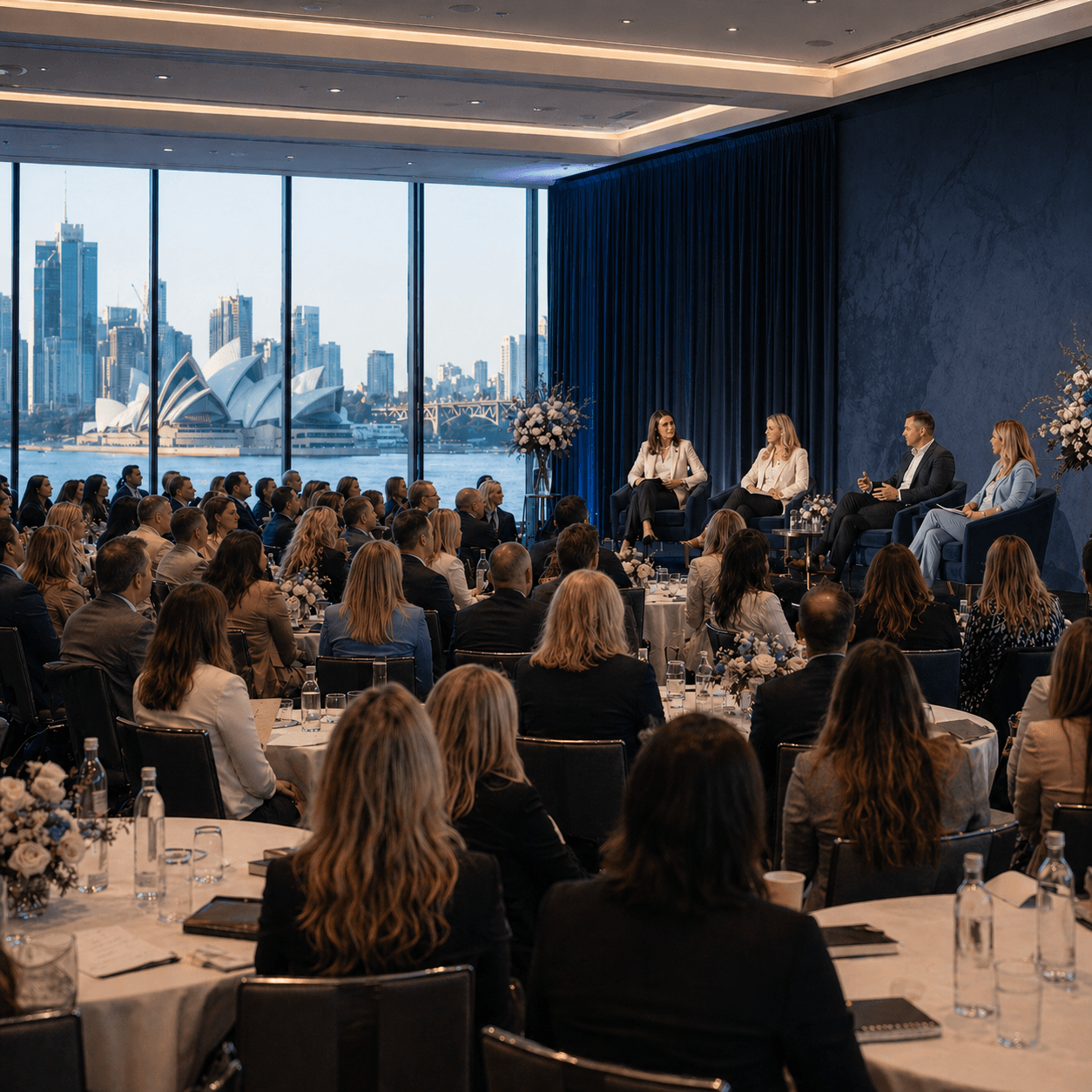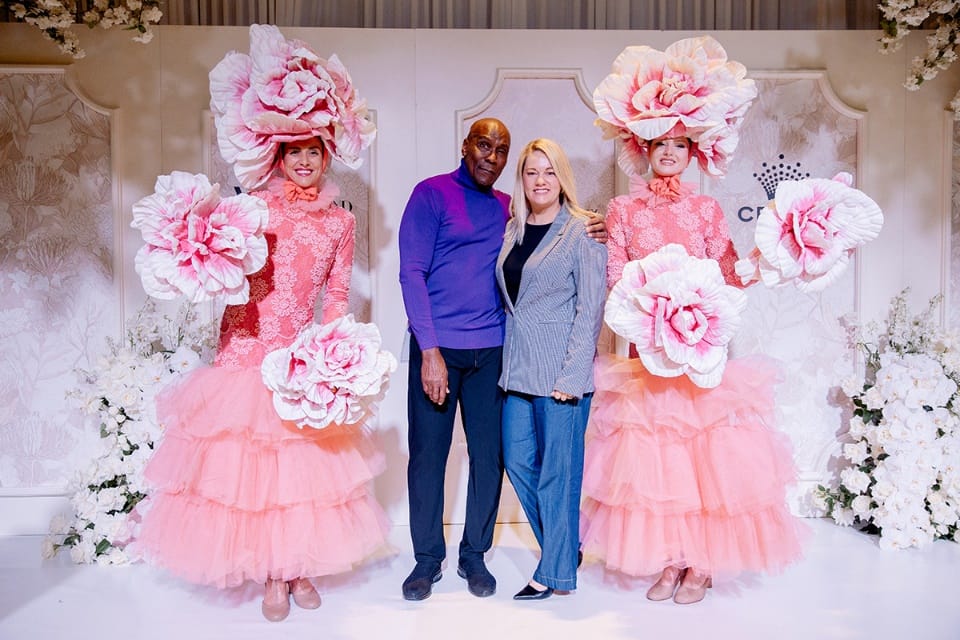
An event can look impressive in the moment and still be forgotten quickly. The experiences people remember are usually the ones that made something clearer, created a useful connection or helped them feel part of a message, brand or community.
Event impact is what gives an experience value beyond the day itself. It is shaped by relevance, emotional connection, audience experience and purpose, helping people remember not only what happened in the room, but why it mattered and what they took from it.
- Key takeaways
- Memorable Events Are Designed Around Purpose
- Why Event Impact Matters Beyond the Room
- Emotional Connection Shapes What People Remember
- Audience Experience Turns Purpose Into Value
- Message Recall Is a Sign of Strong Event Design
- Meaningful Connections Extend the Life of an Event
- Designing Event Impact With Intention
- Looking Ahead: Experiences Worth Remembering
- Frequently Asked Questions: event impact and memorable live experiences
Memorable Events Are Designed Around Purpose
Memorable events are rarely remembered because of one feature alone. A strong venue, polished styling, engaging speaker or impressive production moment can all support the experience, but they do not create lasting value on their own.
What gives an event meaning is the intention behind it. When the purpose is clear, every decision has a stronger reason to exist, from the way people are welcomed to the content they hear and the conversations they are encouraged to have. The event feels more connected because it has been shaped around what the audience should understand, feel or take away.
This is where memorable events begin to separate themselves from events that simply look good in the moment. Purpose gives the experience direction. It helps the audience recognise why they are there, why the message matters and how the event connects to something beyond the room.
Why Event Impact Matters Beyond the Room
The value of an event does not end when people leave the venue. In many cases, the most important value appears afterwards, when guests remember a message, continue a conversation, follow up with a connection or think differently about the organisation behind the experience.
Strong event impact is not only about what happens during the event. It is about what the audience remembers, discusses and carries forward afterwards.
This matters because events are often created to support something larger than the day itself. A conference may need to shift thinking. A brand experience may need to build trust. A leadership event may need to create alignment, confidence or momentum.
When an event is designed with impact in mind, the content, environment, guest journey and follow-up all work together. The experience becomes part of a longer conversation, rather than a single moment that disappears once the room is packed down.
Emotional Connection Shapes What People Remember
People do not remember events through information alone. They remember how an experience made them feel, whether they felt included and whether the message gave them a reason to care.
That emotional connection does not need to be dramatic. It can come from a thoughtful welcome, a story that lands at the right time, a useful conversation or a shared moment that helps people feel part of something larger.
Live experiences have a powerful advantage because they bring people into the same space with shared attention. That creates the conditions for trust, energy and belonging in a way that can be harder to achieve through other channels.
The strongest events use that potential carefully. They do not force emotion. They create the conditions for people to connect naturally with the message, the environment and each other.
Audience Experience Turns Purpose Into Value
The audience experience is where the event’s purpose becomes personal. People may understand the official reason for attending, but they judge the value of the event through their own experience of it.
That experience begins before they enter the room. It is shaped by the invitation, the clarity of information, the ease of arrival, the welcome and how quickly they feel oriented. Once the event begins, the experience continues through content, pacing, participation and the quality of interactions around them.
When these elements are considered carefully, the audience can focus on the message and the people around them. When they are not, friction can become the thing they remember.
A strong audience journey does not need to be complicated. It needs to feel clear, relevant and respectful of people’s time.
Message Recall Is a Sign of Strong Event Design
One of the clearest signs of an effective event is whether people can remember the message afterwards. Not every detail needs to stay with them, but the core idea should be clear enough to be recalled and repeated.
Message recall becomes stronger when the experience supports the same idea consistently. The content, environment, speaker flow, visual cues and follow-up should all help reinforce what the event is trying to communicate.
If too many ideas compete for attention, people may leave with a general impression but no clear takeaway. When the event is designed around a focused purpose, the audience is more likely to remember what mattered and why it was relevant.
Strong event design gives people something useful to carry forward. It helps them leave with language, insight or perspective they can use after the event ends.
Meaningful Connections Extend the Life of an Event
The impact of an event often continues through the people who were brought together. A strong experience gives guests more than information to absorb. It gives them a reason to speak, share perspectives, ask better questions and build relationships that may continue well after the event ends.
This is especially important for business, leadership and brand experiences, where value is often created through trust. A useful introduction, a timely conversation or a shared moment can become one of the strongest outcomes of the event.
Meaningful connections do not happen by accident. They are shaped by the structure of the program, the way people move through the space and the opportunities they are given to participate. When those elements feel natural, guests are more likely to engage with each other in ways that feel genuine rather than forced.
An event becomes more memorable when people leave with something they can continue. That might be a new contact, a clearer point of view, a stronger sense of belonging or a conversation that becomes useful later.
Designing Event Impact With Intention
Designing for impact means thinking beyond what guests will see on the day. It means asking what the experience should help them understand, remember, feel or do afterwards.
That intention should influence the shape of the event, not just the creative direction. The program, content, room flow, speaker moments, networking structure and follow-up should all support the same purpose. When those elements work together, the experience feels clearer and more valuable.
A useful starting point is to consider:
• What should the audience remember after the event?
• What feeling should the experience create?
• Where should participation or interaction happen naturally?
• What message needs to be reinforced before, during and after the event?
• What would make the event feel worthwhile from the audience’s point of view?
These questions help shift the focus from activity to outcome. Instead of planning an event around what can be included, the experience is shaped around what will matter most.
Looking Ahead: Experiences Worth Remembering
Experiences become worth remembering when they give people something useful to carry forward. That may be a clearer message, a stronger connection, a new perspective or a moment that continues to shape how they think about a brand, idea or community.
The most effective events are not built around activity alone. They are shaped around purpose, audience relevance and the value people take with them afterwards. When those elements are considered from the beginning, an event can become more than a gathering. It can become a meaningful experience that stays with people long after the room is empty.
Frequently Asked Questions: event impact and memorable live experiences
Explore these ideas further at the Future of Events Summit, where event professionals, marketers and business leaders will come together to examine what makes live experiences more meaningful, measurable and memorable. Book your ticket and continue the conversation.
- About the Author
- Latest Posts

Welcome to the official insights and editorial platform of the Future of Events Summit, a premium industry forum exploring the future of events, audience engagement, experience design and live brand experiences. Created by the team behind Pink Caviar Events, the platform shares industry perspectives, emerging trends, strategic conversations and practical insights for professionals working across events, marketing, communications and business experiences.